Paint Protection Coatings
Nano-ceramic and graphene coatings that chemically bond to your paint. Hydrophobic, scratch-resistant, and long-lasting gloss in one application.
3M
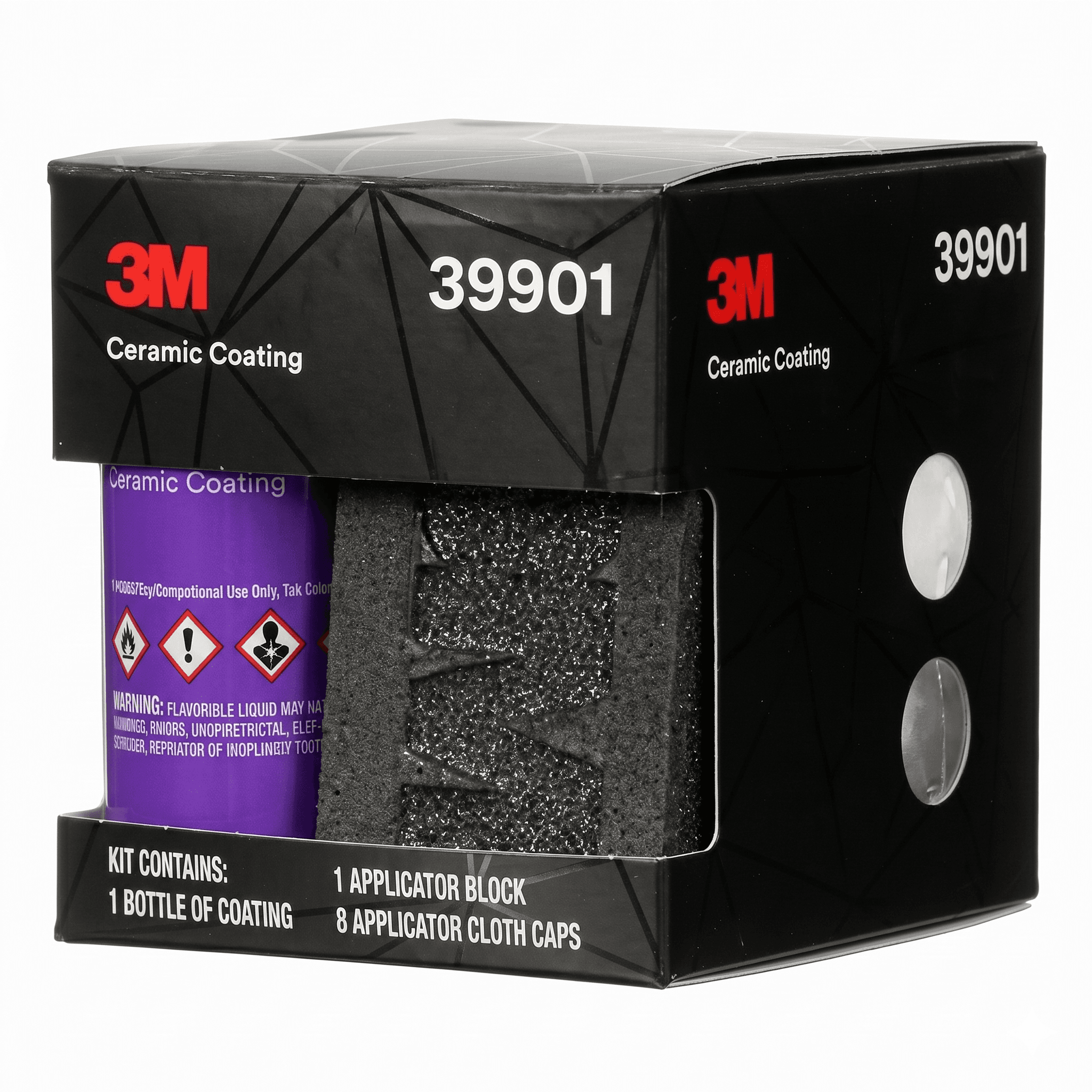
3M Ceramic Coating 39901
Potential savings
₹3,900–₹26,600
vs detailing centre pricing
Saint Gobain
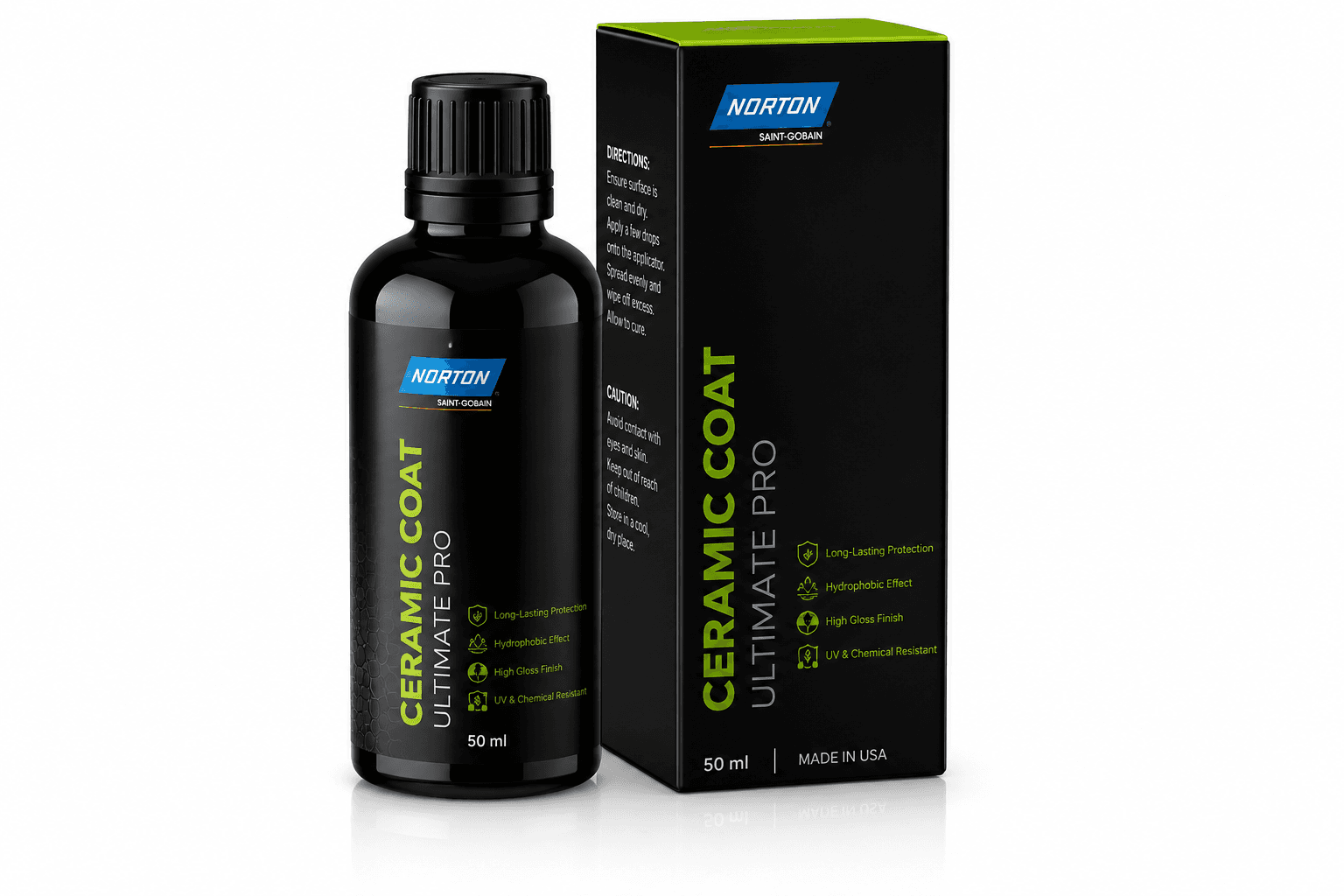
Norton Ceramic Coating
Potential savings
₹5,500–₹33,000
vs detailing centre pricing
Saint Gobain
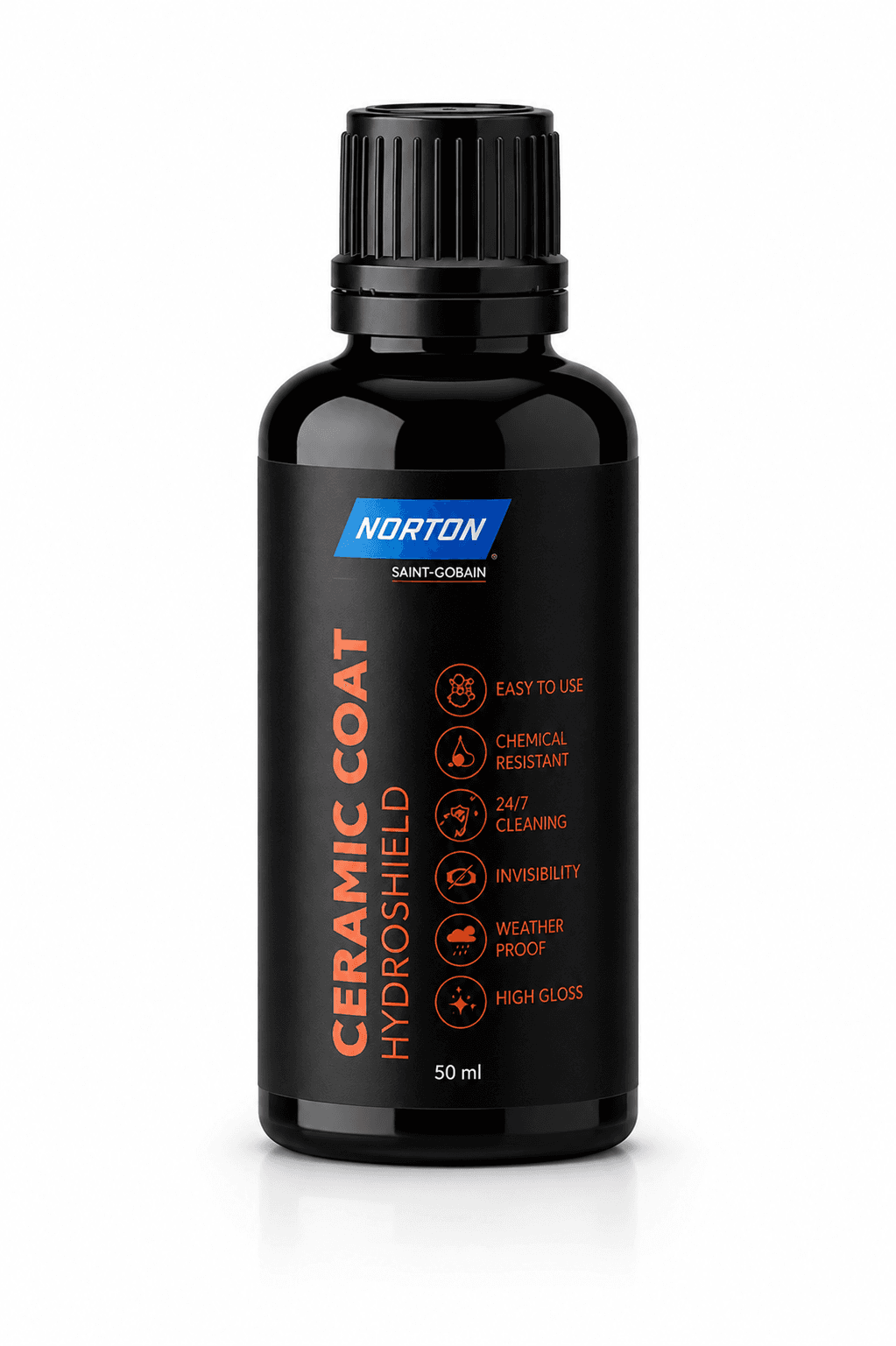
Norton Ceramic Hydroshield
Potential savings
₹1,900–₹18,600
vs detailing centre pricing
Saint Gobain
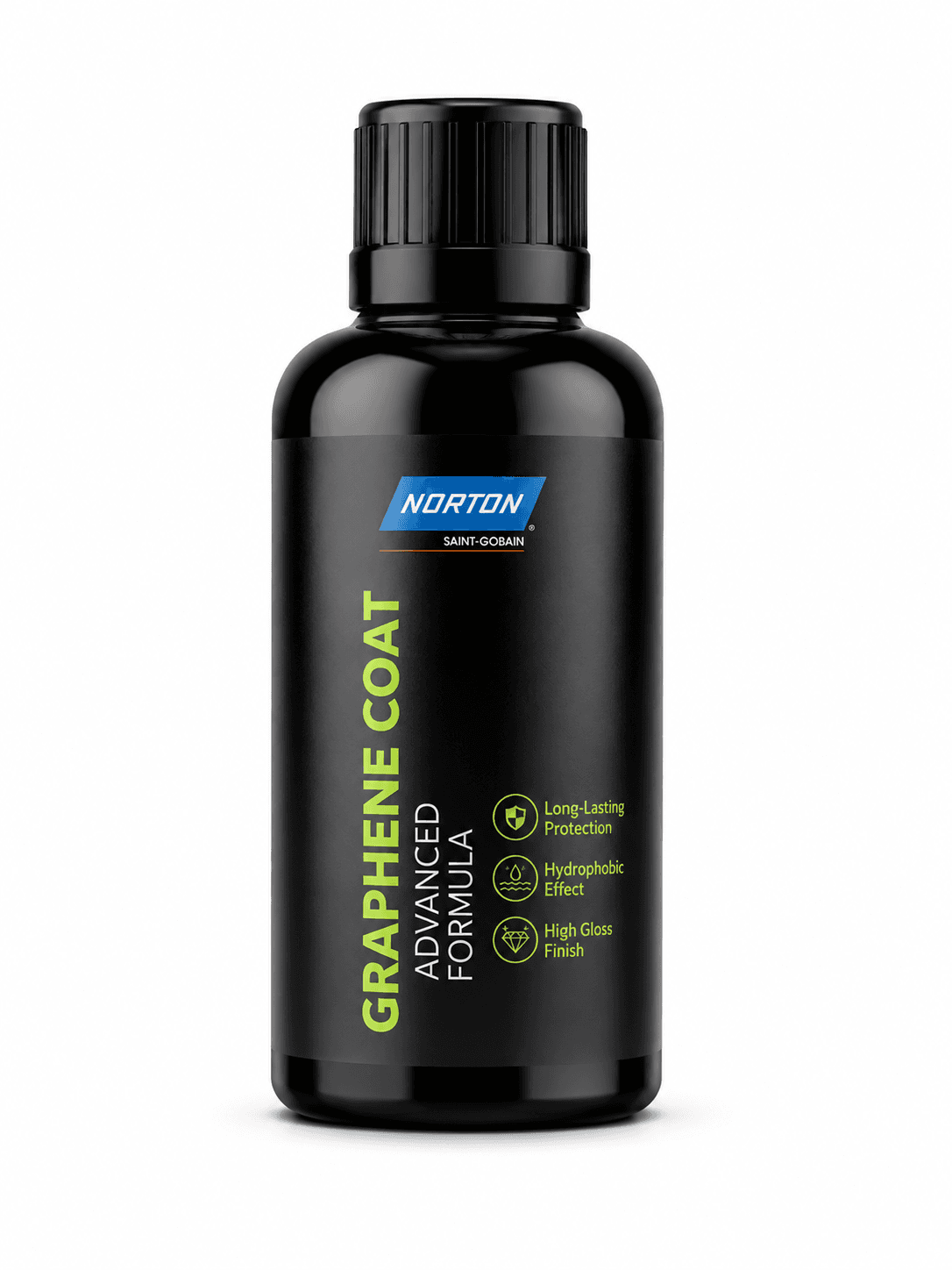
Norton Graphene Coating
Potential savings
₹6,500–₹37,000
vs detailing centre pricing
Frequently Asked Questions — Coatings
Answers grounded in PMD's actual product data and specs — not generic advice.
What is ceramic coating and how does it work?
Ceramic coating is a liquid polymer — primarily silicon dioxide (SiO2) — that chemically bonds with your car's clear coat. Once cured, it forms a thin, hard glass-like layer (1–5 microns) that's hydrophobic (water beads and rolls off), resists UV-driven fading, and makes the paint easier to clean. Every coating on PMD states its actual chemistry (SiO2, Nano-Ceramic, or Graphene-enhanced SiO2) rather than just calling itself "ceramic."
Read the full explainer →Is ceramic coating actually worth it — does it prevent scratches?
Ceramic coating is worth it for what it actually does — UV protection, hydrophobic water beading, easier washing, chemical resistance against bird droppings and tree sap, and a noticeable gloss boost — but it does not prevent scratches from keys, stone chips or any solid contact. At 1–5 microns thick (thinner than a human hair), a coating resists light swirl marks from washing, not physical impacts; any installer promising "scratch-proof" protection is misleading you.
Read the full explainer →What determines ceramic coating pricing on PMD?
PMD shows three numbers for every coating: MRP (₹6,520–25,000 depending on SKU), PMD's price (₹4,900–13,000 — 25–62% below MRP), and installation, standardized at ₹1,000–3,000. Detailing centres typically bundle product and application into one opaque number with no visibility into what you're paying for the coating itself versus the labour.
Where can I get genuine ceramic coating installed near me?
PMD ships your exact coating bottle to you before it goes near an installer — you then get it applied at your own detailing centre or via a doorstep service, paying for application separately. Because you already hold the product, there's no way for an installer to substitute a cheaper coating once it's out of your sight, unlike a typical "ceramic coating near me" booking where the centre supplies and applies its own (often unnamed) product.
Read the full explainer →Is 3M ceramic coating genuine on PMD, and what does it cost?
Yes — 3M Ceramic Coating 39901 on PMD is sourced as genuine product: ₹6,500 (MRP ₹12,255), an SiO2-based liquid coating for paint and vinyl surfaces, rated for up to 5 years of durability with proper maintenance. It's currently PMD's only live 3M coating SKU — professional-application only, per its own spec sheet.
Is Saint Gobain/Norton a genuine ceramic coating brand — what does PMD stock?
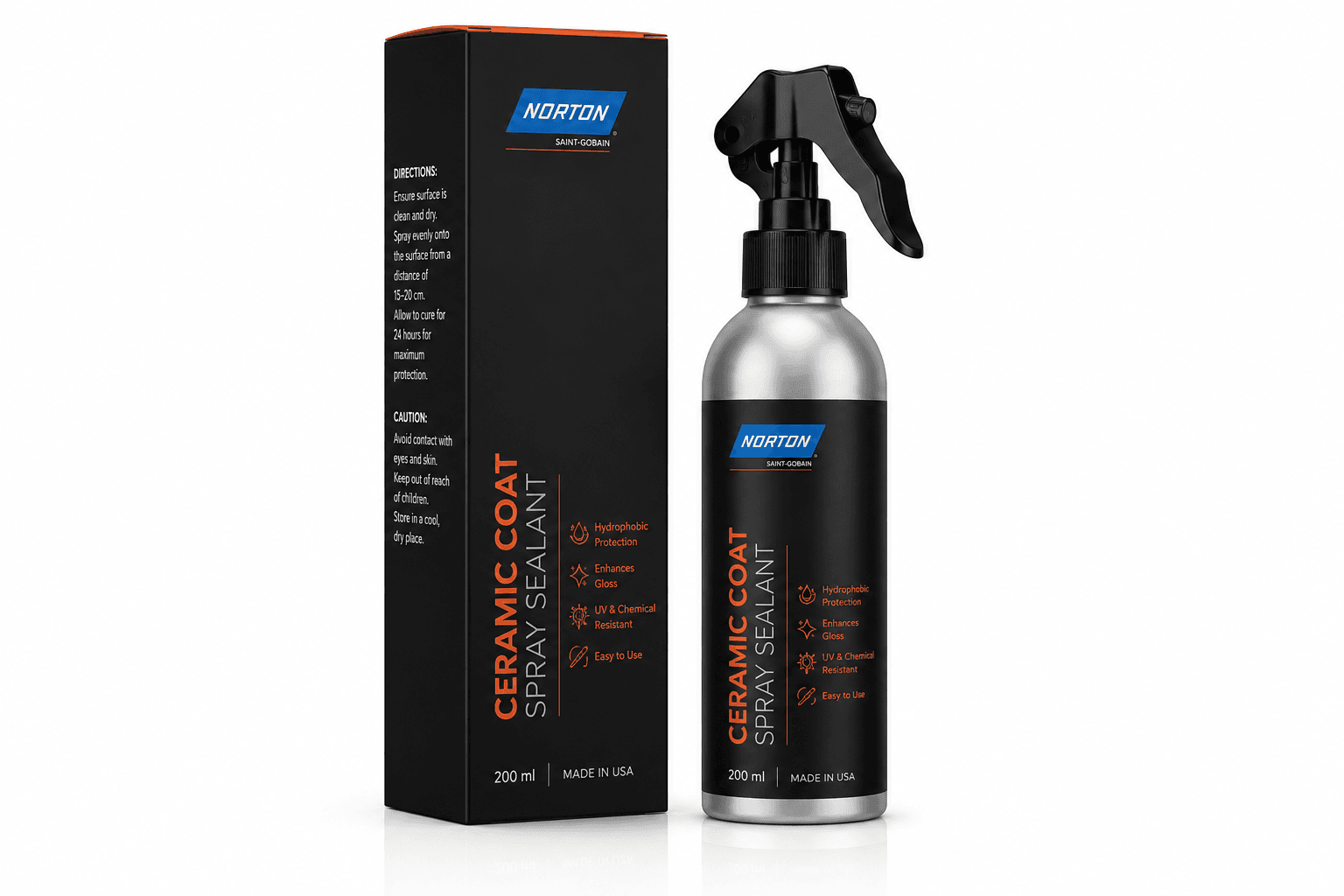
Yes — Saint Gobain's Norton range makes up most of PMD's live coating catalog: Norton Ceramic Hydroshield (₹4,900, SiO2, 1–2 year durability, DIY-friendly), Norton Ceramic Coating (₹8,500, SiO2 Nano-Ceramic, professional application), Norton Graphene Coating (₹9,500, graphene-enhanced SiO2), Norton Vinyl & PPF Ceramic Coat (₹9,800, for wrapped/PPF'd cars) and Norton Spray Ceramic (₹13,000, DIY spray top-up). Each states its real coating chemistry, not just a shade or grade name.
Graphene coating vs ceramic (SiO2) coating — is the premium worth it?
Graphene coatings replace or supplement SiO2 with graphene oxide, giving better heat dissipation, a higher water contact angle (more aggressive beading) and marginally improved hardness — genuinely useful in India's hot outdoor-parking conditions, since better heat dissipation reduces water-spot formation on hot panels. On PMD, Norton Graphene Coating (₹9,500) lists "Extreme" hydrophobic level and high water-spot resistance versus Norton Ceramic Coating's (₹8,500) "High" hydrophobic level and moderate water-spot resistance — a real, spec-backed difference, not just marketing.
Read the full explainer →PPF vs ceramic coating — which does my car actually need?
Ceramic coating is a chemical bond that repels water, dirt and UV and makes the car easier to maintain — it cannot stop stone chips or scratches, since the layer is only microns thick. PPF is a physical film that absorbs impact from stone chips and road debris but doesn't add gloss or hydrophobic beading on its own. For a new car, the ideal setup is PPF on high-impact zones with a coating applied over the whole car including the PPF — coating always goes on last. If your budget only allows one, choose PPF for highway-heavy driving and dark-coloured cars, or coating if you're mostly city-driving and want easier washing.
Read the full explainer →Should I choose DIY or professional application for ceramic coating?
It depends on the specific product — PMD's live coatings are split roughly evenly: Norton Ceramic Hydroshield and Norton Spray Ceramic are marked DIY-friendly on their own spec sheets, while Norton Ceramic Coating, Norton Graphene Coating and Norton Vinyl & PPF Ceramic Coat are marked for professional application, largely because they require full paint decontamination and correction beforehand. The 3M Ceramic Coating 39901 is professional-only. Check the individual product's "DIY or Professional" spec before buying if you're planning to apply it yourself.
Does ceramic coating come with a warranty — what does "5-year coating" actually mean?
No — there's no such thing as a manufacturer or seller warranty on ceramic coating, regardless of what a detailing centre quotes you for a "5-year warranty package." Coating duration (2–5 years on PMD's live SKUs) is a maintenance-dependent estimate, not a guarantee: it depends on how the car is washed, parked and used, not on any contract. If a detailing centre sells you a warranty or pushes yearly reapplication or yearly detailing to "maintain" it, that's a common upsell — proper maintenance is light, pH-neutral washing, not repeat buffing.
Can ceramic coating be applied to PPF, vinyl wraps, or glass — not just paint?
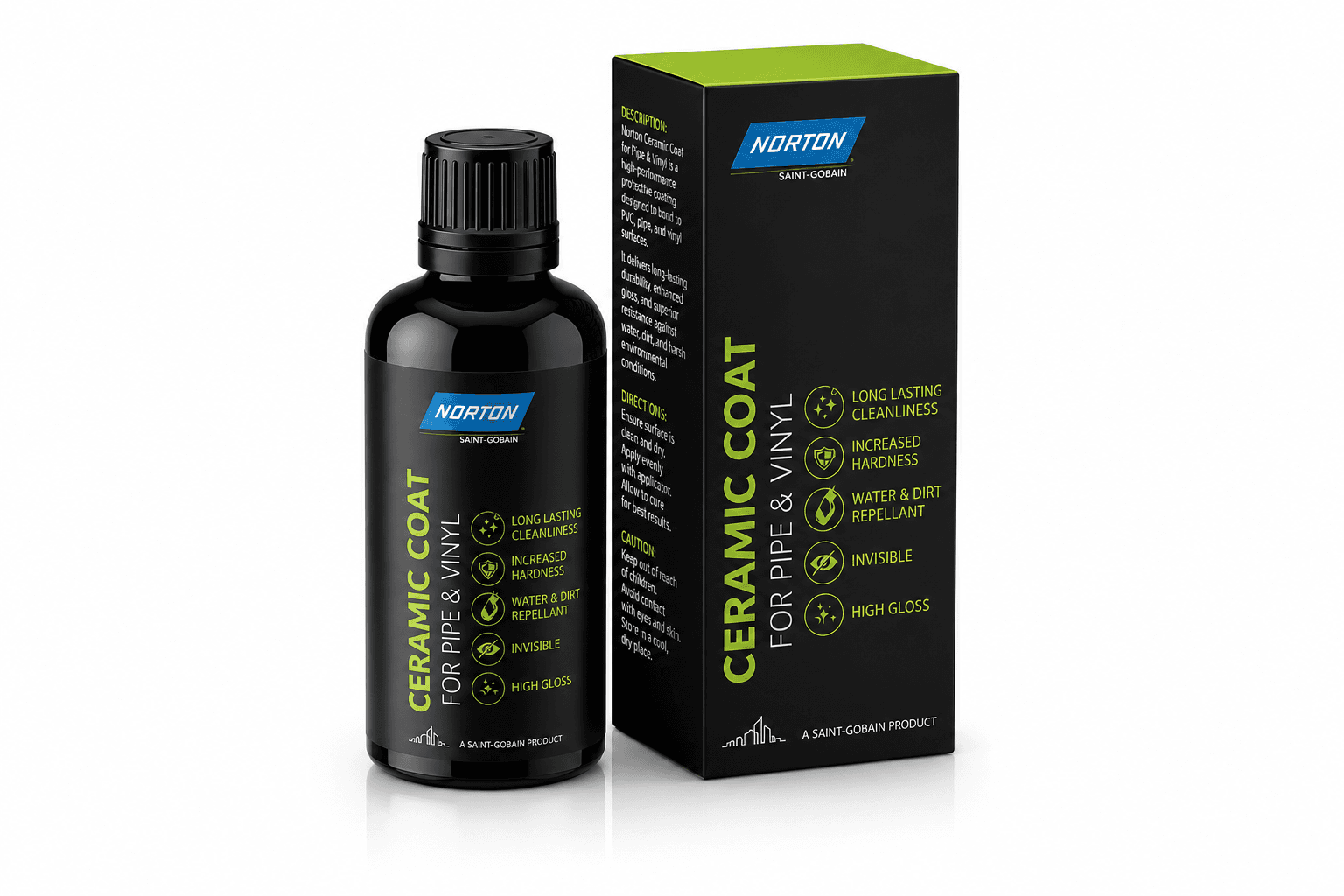
Yes, for PPF and vinyl specifically — Norton Vinyl & PPF Ceramic Coat (₹9,800) is a live, purpose-built SiO2 coating designed to extend the lifespan and gloss of PPF and vinyl-wrapped surfaces. Glass- and leather-specific ceramic coatings exist in PMD's catalog structure (for windshields and leather interiors) but aren't currently in active stock — check back or ask via WhatsApp if you need one, rather than assuming a generic paint coating works the same way on those surfaces.
Can I get a GST invoice for a business purchase?
Yes — at checkout there's an optional GST Invoice section where you can enter your firm name and 15-character GSTIN. If provided, PMD issues a GST-compliant invoice under your business name instead of a personal one, useful for company or fleet purchases. It's entirely optional — skip it and you still get a standard invoice.