Sun Films
Reduce cabin heat, protect against UV damage & control glare — without compromising visibility. Every film lists its measured VLT against the CMVR floor for the window position you're fitting it to.
Product price on PMD: ₹1,500–₹1,00,414 (film only — fitting charges quoted separately by your installer)
VLT — how much light passes through
Visible Light Transmission is the number that determines how dark a film looks and where it can go. Compare it first, but don't stop there — VLT alone doesn't tell you how much heat a film blocks. Understanding VLT →
TSER — the real heat-rejection number
Total Solar Energy Rejected measures the full solar spectrum, not just infrared. It's the number that actually corresponds to cabin temperature, so compare TSER before any narrower "heat rejection" figure. IRR vs IRER vs TSER →
Film technology
Dyed and metallic films sit at the budget end; nano-ceramic and Multi-Layer Optical (Crystalline) films reject more heat at the same VLT and don't interfere with GPS or FASTag signal. Sun film types compared →
The India road-use question
PMD lists each film's measured VLT against the CMVR Rule 100(2) floor (70% for windscreens, 50% for side windows) so you can compare specs accurately. Meeting that VLT floor is a separate question from whether applying aftermarket film is itself a permitted modification — PMD does not label a film "road-legal" solely because of its VLT.
Product cost vs. fitting cost
PMD shows the film's price separately from fitting charges, which your installer quotes directly — never bundled into one number.
How to tell it's genuine
Cross-check the VLT/TSER/IRR on your product page against the film's own packaging when it arrives — a price well below the norm for a given brand and spec combination is the most common counterfeit tell. How to verify a genuine sun film →
What is PMD Index™?
Our independent 0–10 read on how much of a sun film's performance the brand can actually prove — and how much it just claims.
How scoring works →Real published data
Scored from the brand's own technical data sheets and warranty documents — never their marketing copy.
Same rubric for everyone
A global brand scores no easier than a local importer. Identical yardstick, every product.
Every gap shown
Specs a brand hasn't disclosed are marked red and count against the score — staying quiet doesn't help them.
TSER% (Total Solar Energy Rejection) is the most important heat-rejection metric — it measures the total solar energy blocked, not just infrared. A higher TSER% means a cooler cabin. Compare it alongside VLT% (how much light passes through) to find the right balance for your car.
3M
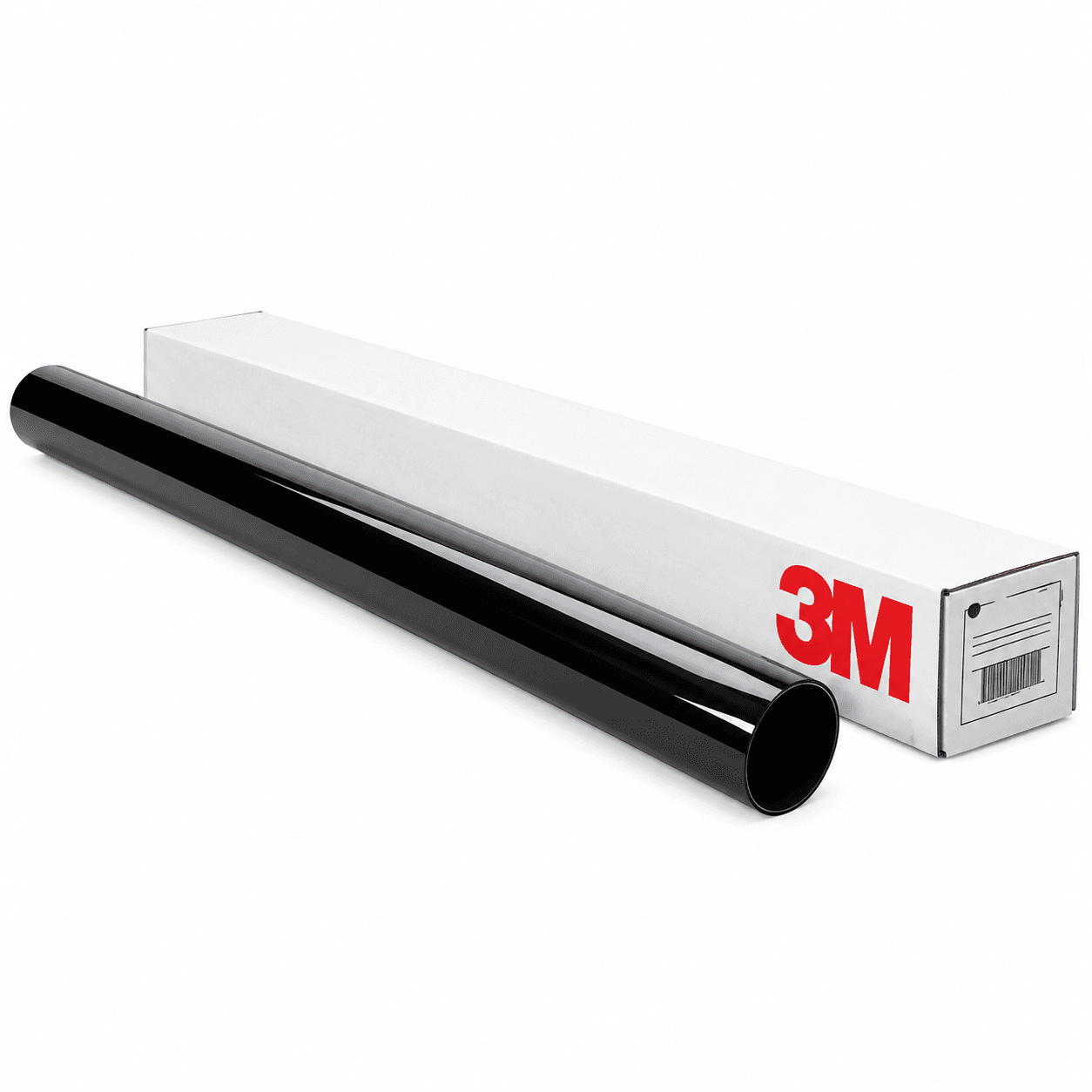
3M Ceramic IM50 Full Roll (60" × 100 FT)
Potential savings
₹50,207–₹2,00,828
vs detailing centre pricing
Llumar
AIR 80 BLUE 60 – Front Windshield
Potential savings
₹2,871–₹16,984
vs detailing centre pricing
+ ₹500–1,500 installation *est.
Llumar
AIR 80 BLUE 60 – Sides+Rear (25 Sqft - Hatchback)
Potential savings
₹3,853–₹27,410
vs detailing centre pricing
+ ₹1,600–3,400 installation *est.
Llumar
AIR 80 BLUE 60 – Sides+Rear (30 Sqft - Sedan)
Potential savings
₹6,620–₹33,980
vs detailing centre pricing
+ ₹500–2,000 installation *est.
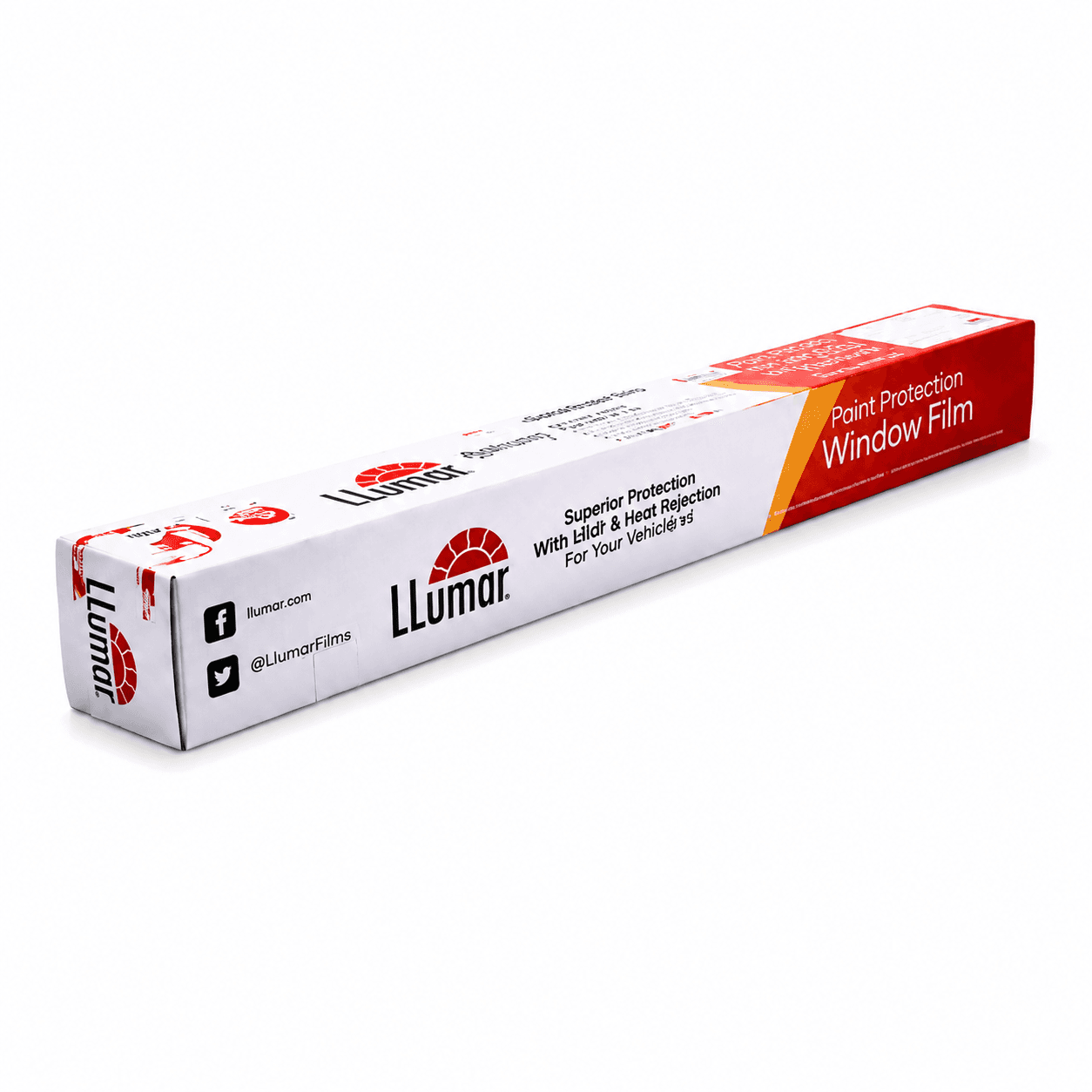
Llumar
AIR 80 BLUE 60 – Sides+Rear (33 Sqft - SUV)
Potential savings
₹7,180–₹38,220
vs detailing centre pricing
+ ₹500–2,500 installation *est.
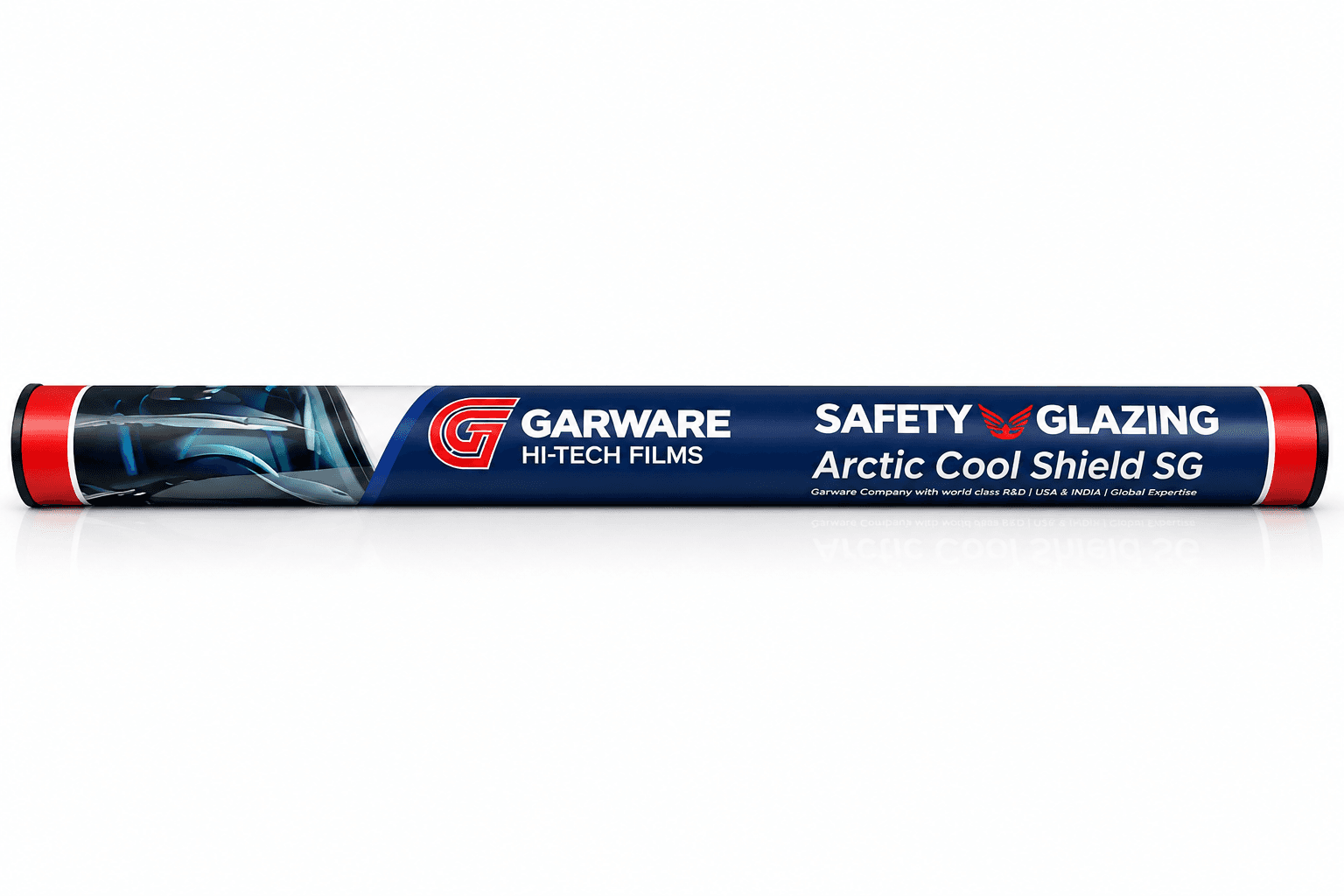
Garware
Arctic Cool SG 70 Sides & Back
Potential savings
₹3,250–₹18,500
vs detailing centre pricing
+ ₹500–1,500 installation *est.
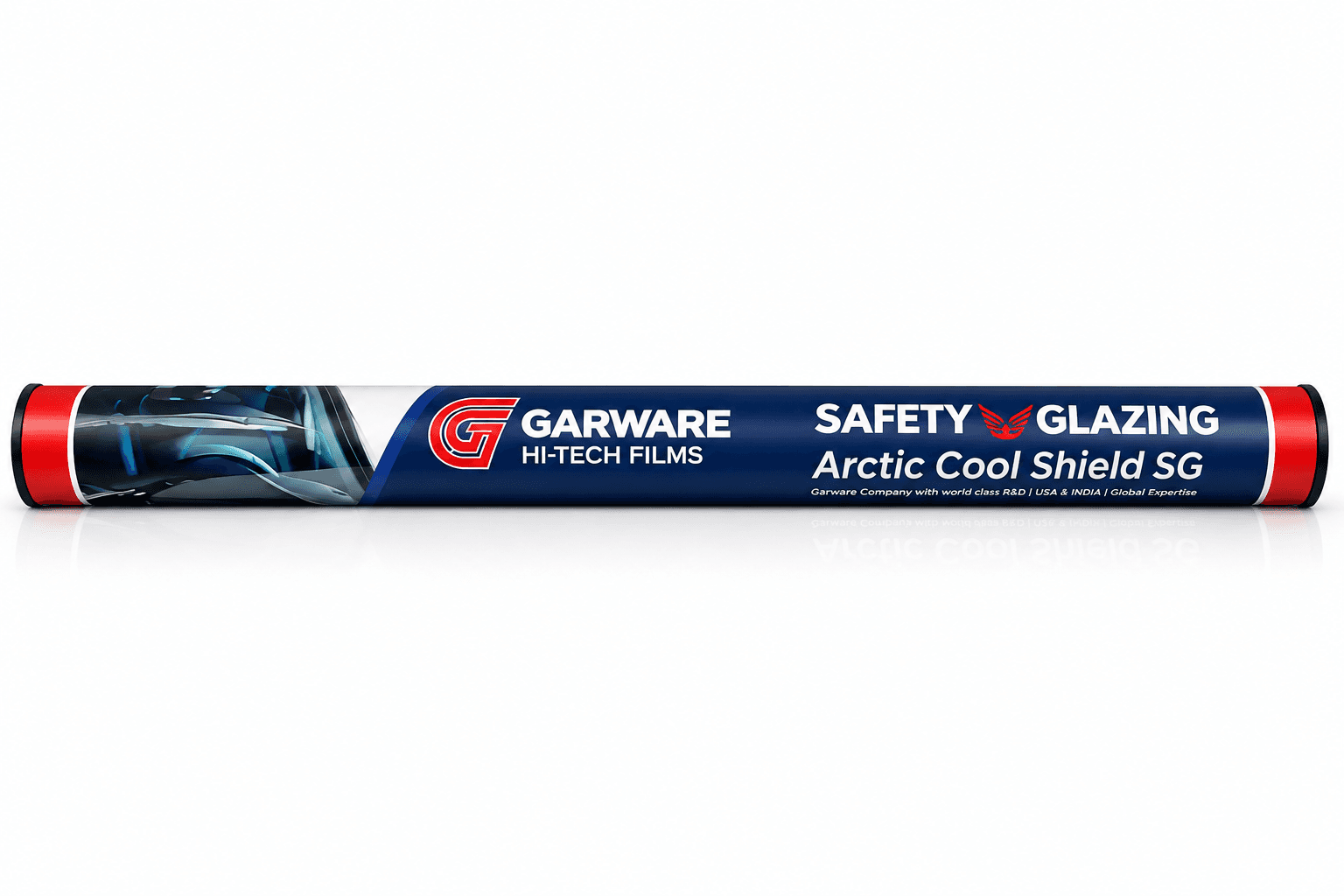
Garware
Arctic Cool SG 80 Sides & Back
Potential savings
₹3,250–₹18,500
vs detailing centre pricing
+ ₹500–1,500 installation *est.
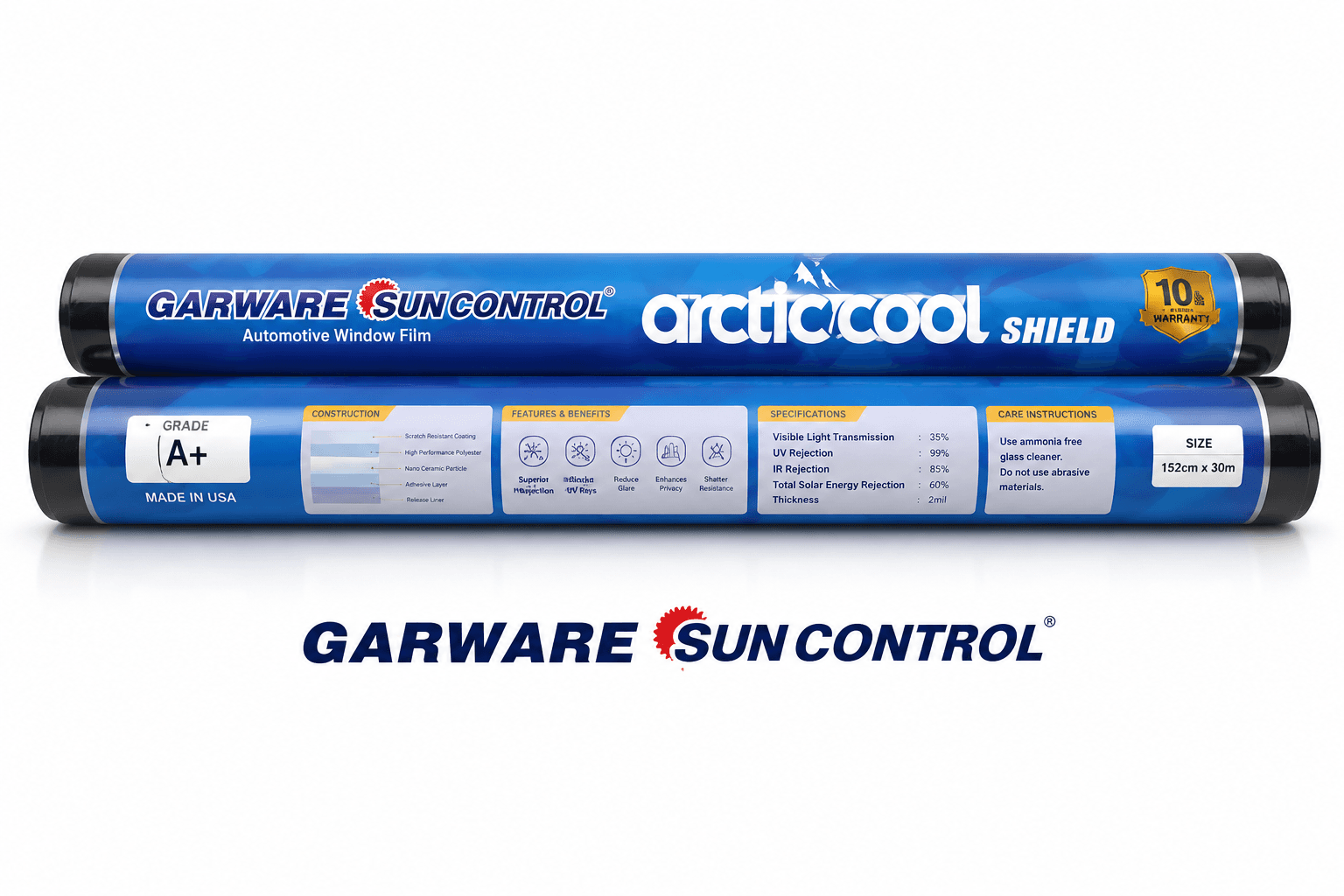
Garware
Arctic Cool Shield SG 80 Front Wind Shield
Potential savings
₹2,600–₹13,900
vs detailing centre pricing
+ ₹500–1,000 installation *est.
3M
Ceramic IM50 – Sides & Back – Hatchback
Potential savings
₹350–₹13,400
vs detailing centre pricing
+ ₹1,600–3,400 installation *est.
3M
Ceramic IM50 – Sides & Back – SUV
Potential savings
₹2,850–₹23,400
vs detailing centre pricing
+ ₹1,600–3,400 installation *est.
3M
Ceramic IM50 – Sides & Back – Sedan
Potential savings
₹850–₹15,400
vs detailing centre pricing
+ ₹1,600–3,400 installation *est.
3M
Ceramic IM70 – Front Windshield
Potential savings
₹350–₹8,400
vs detailing centre pricing
+ ₹1,000–2,000 installation *est.
3M
Ceramic IM70 – Sides & Back – Hatchback
Potential savings
₹350–₹13,400
vs detailing centre pricing
+ ₹1,600–3,400 installation *est.
3M
Ceramic IM70 – Sides & Back – SUV
Potential savings
₹2,850–₹23,400
vs detailing centre pricing
+ ₹1,600–3,400 installation *est.
3M
Ceramic IM70 – Sides & Back – Sedan
Potential savings
₹850–₹15,400
vs detailing centre pricing
+ ₹1,600–3,400 installation *est.
Garware
Classic Ash Lite
Potential savings
₹550–₹4,500
vs detailing centre pricing
+ ₹500–700 installation *est.
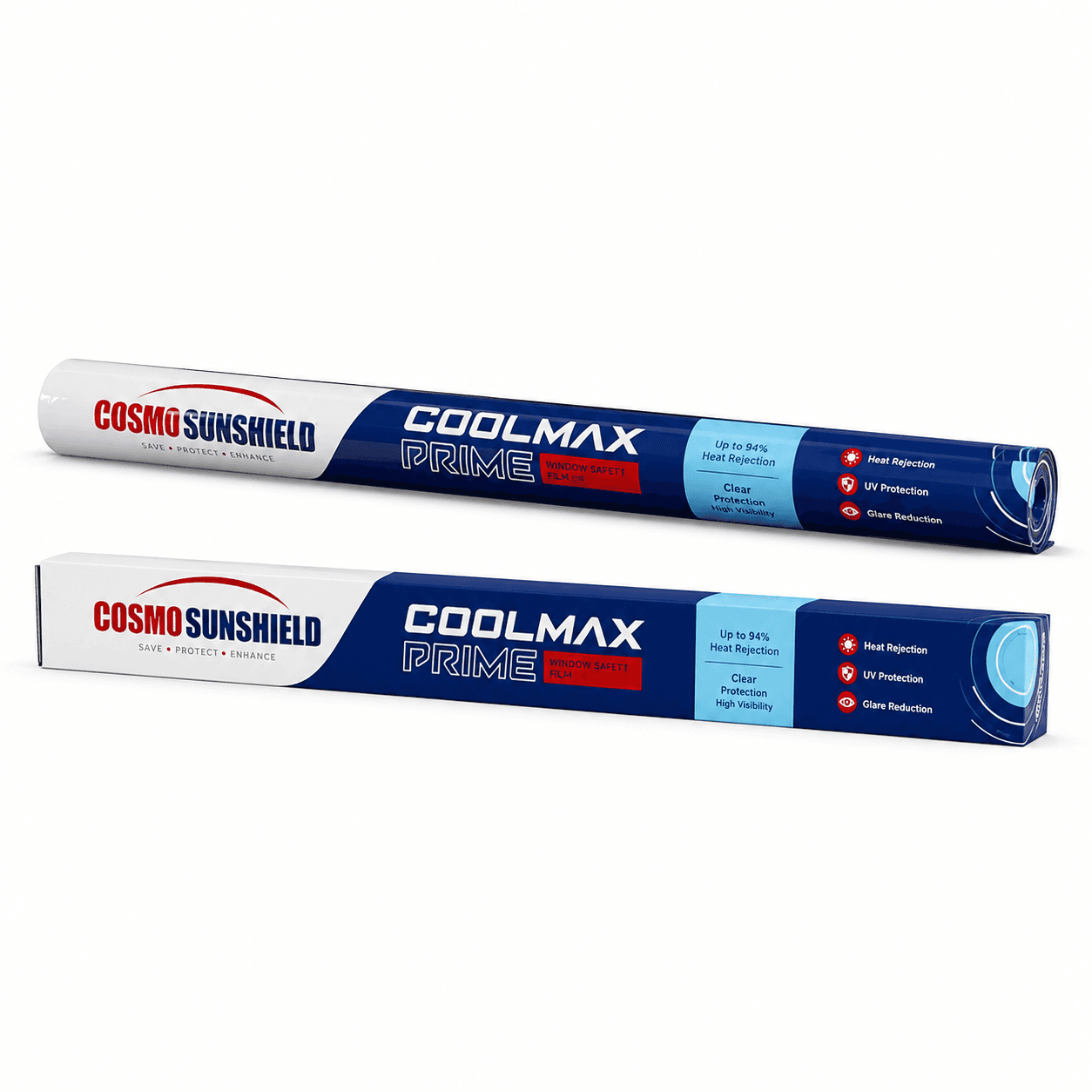
COSMO
CoolMax Guard Side+Rear VLT 70%
Potential savings
₹1,625–₹21,500
vs detailing centre pricing
+ ₹500–2,500 installation *est.
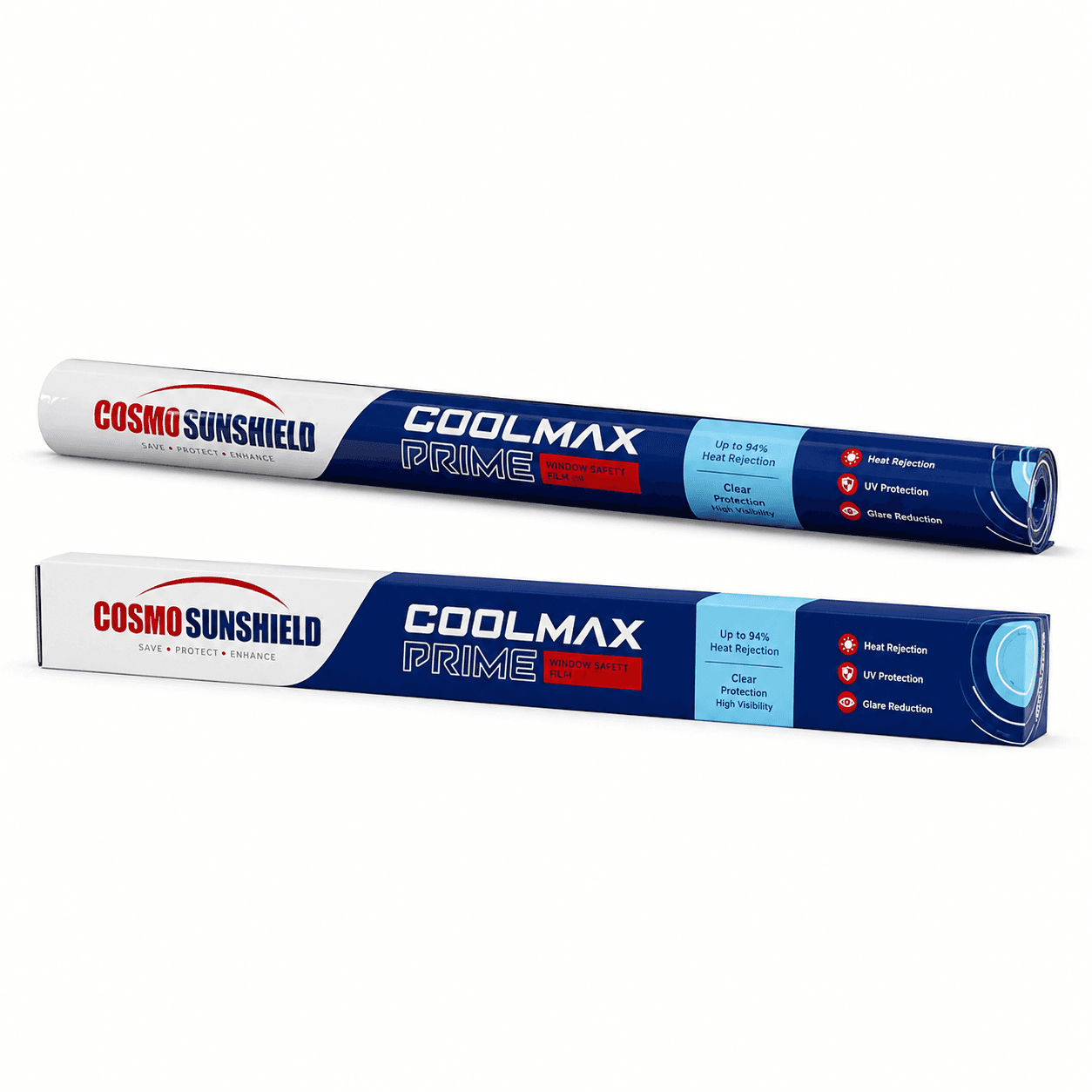
COSMO
CoolMax Guard Side+Rear VLT 80%
Potential savings
₹1,625–₹21,500
vs detailing centre pricing
+ ₹500–2,500 installation *est.
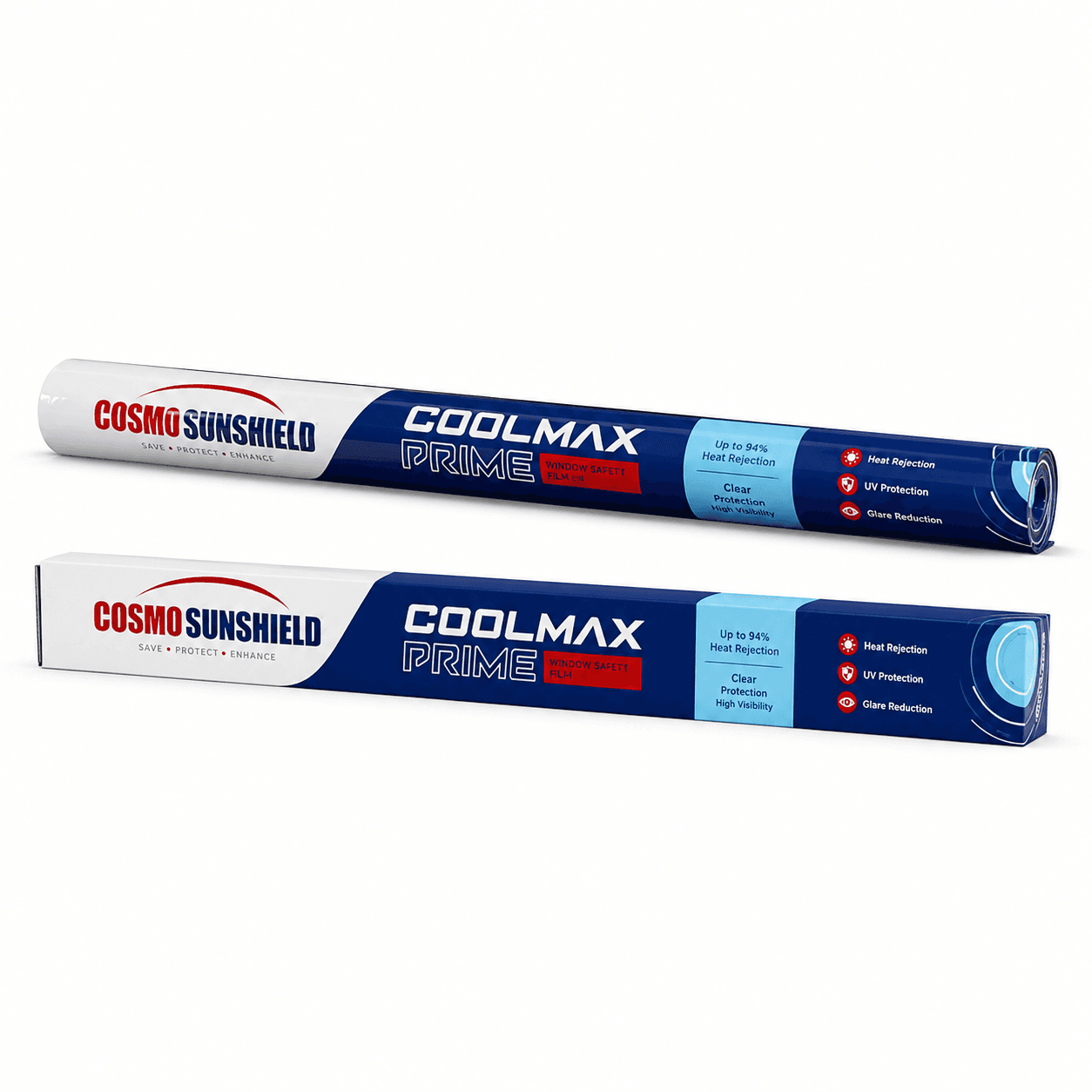
COSMO
CoolMax Prime Front Windshield VLT 70%
Potential savings
₹1,650–₹16,300
vs detailing centre pricing
+ ₹500–1,500 installation *est.
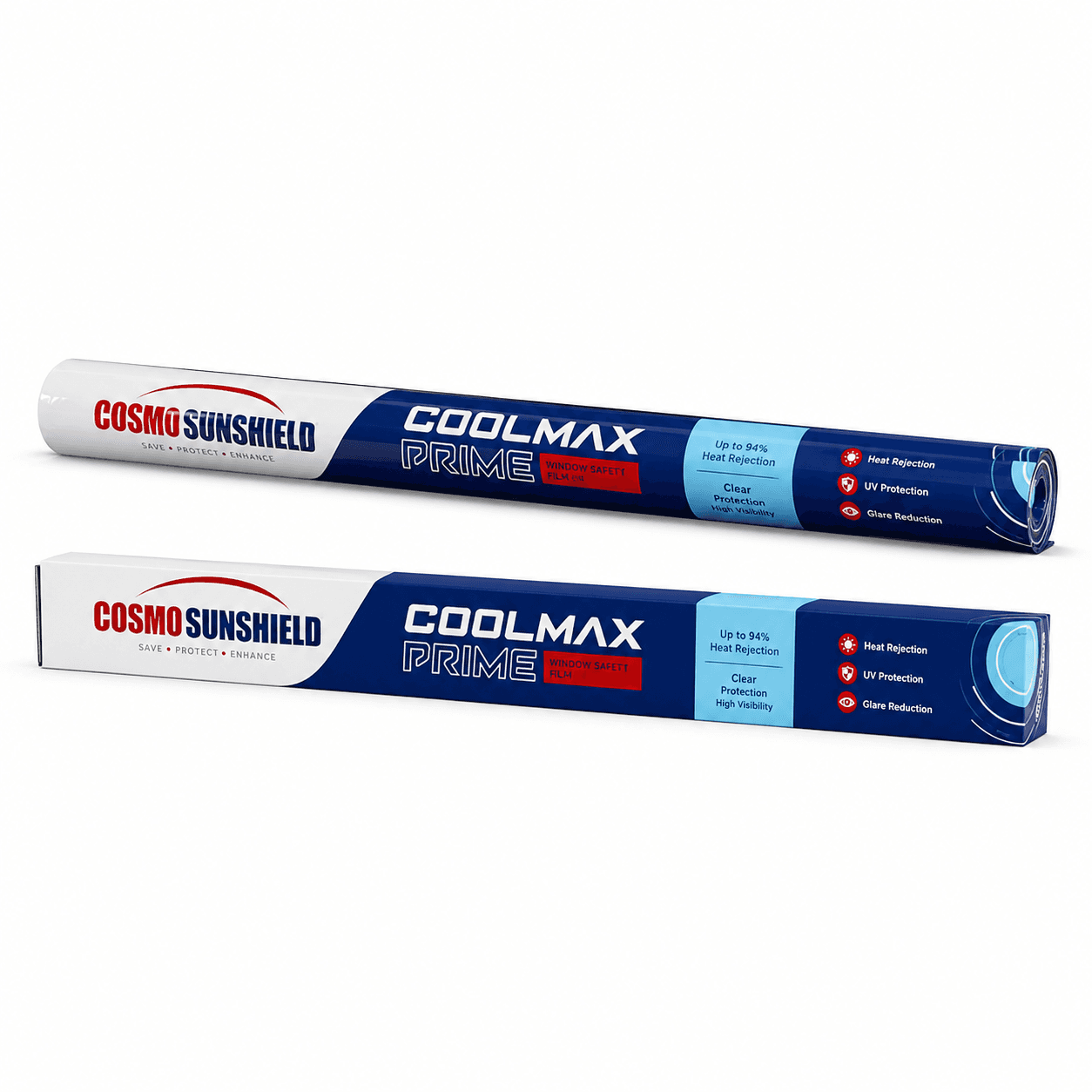
COSMO
CoolMax Prime Front Windshield VLT 80%
Potential savings
₹2,150–₹16,300
vs detailing centre pricing
+ ₹500–1,000 installation *est.
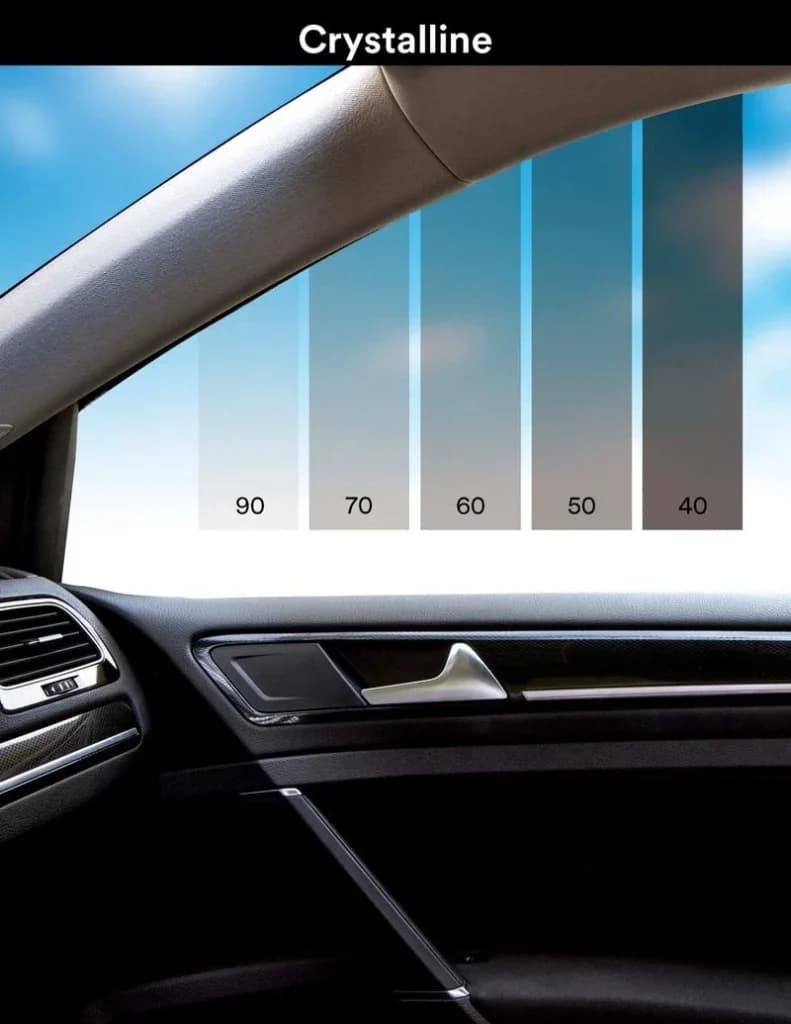
3M
Crystalline CR20 – Double/Panoramic Sunroof
Potential savings
Up to ₹15,600
vs detailing centre pricing
+ ₹1,000–15,000 installation *est.
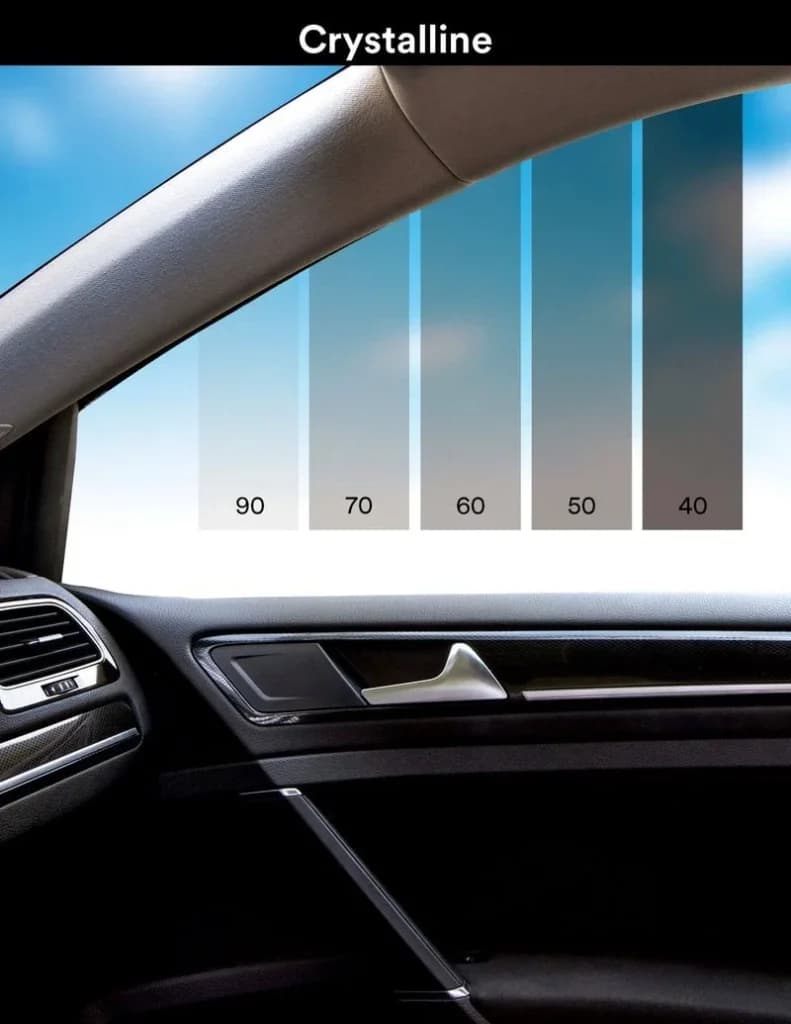
3M
Crystalline CR20 – Single Sunroof
Potential savings
₹1,200–₹8,300
vs detailing centre pricing
+ ₹500–1,000 installation *est.
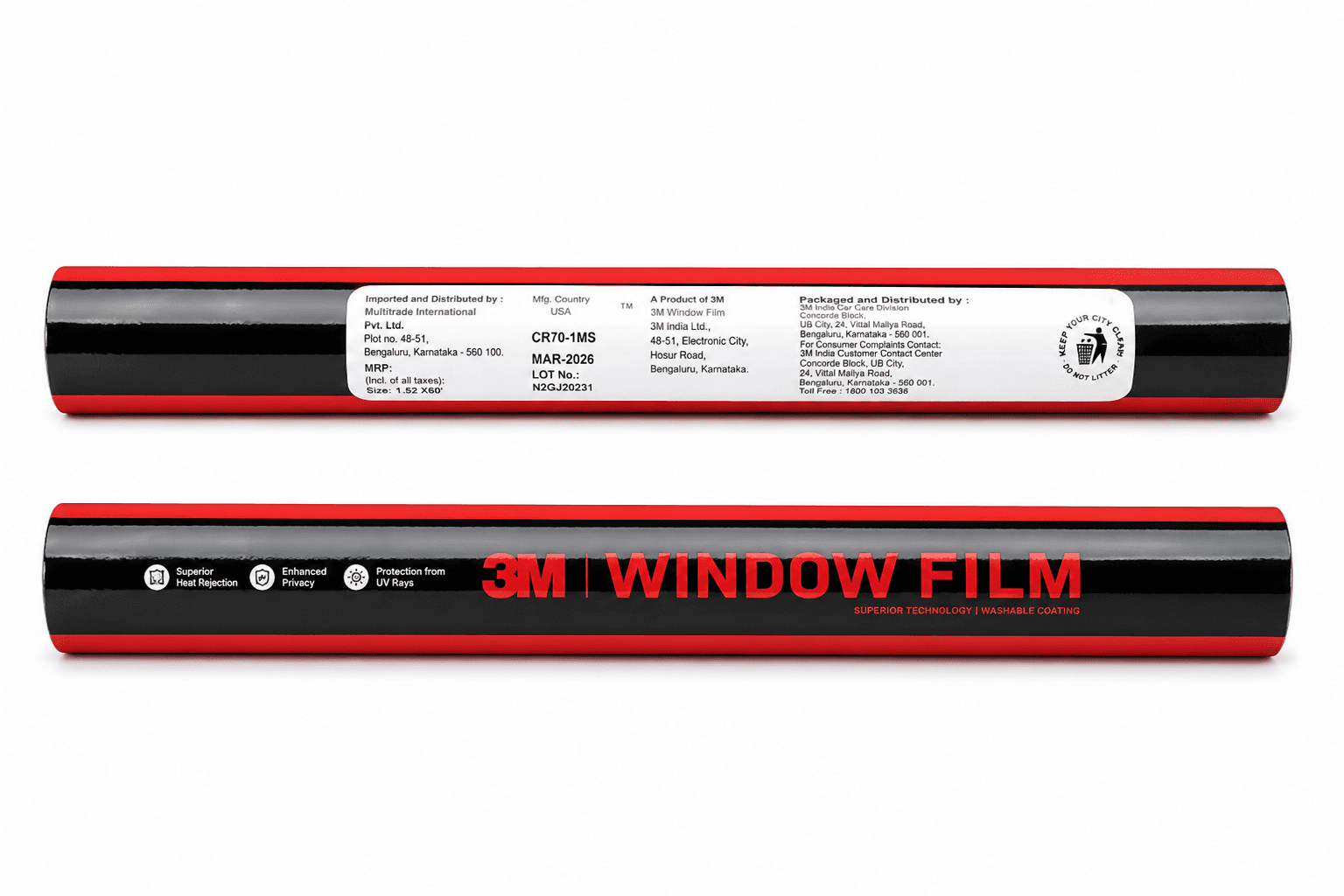
3M
Crystalline CR70 – Front Windshield
Potential savings
₹3,250–₹18,500
vs detailing centre pricing
+ ₹500–1,500 installation *est.
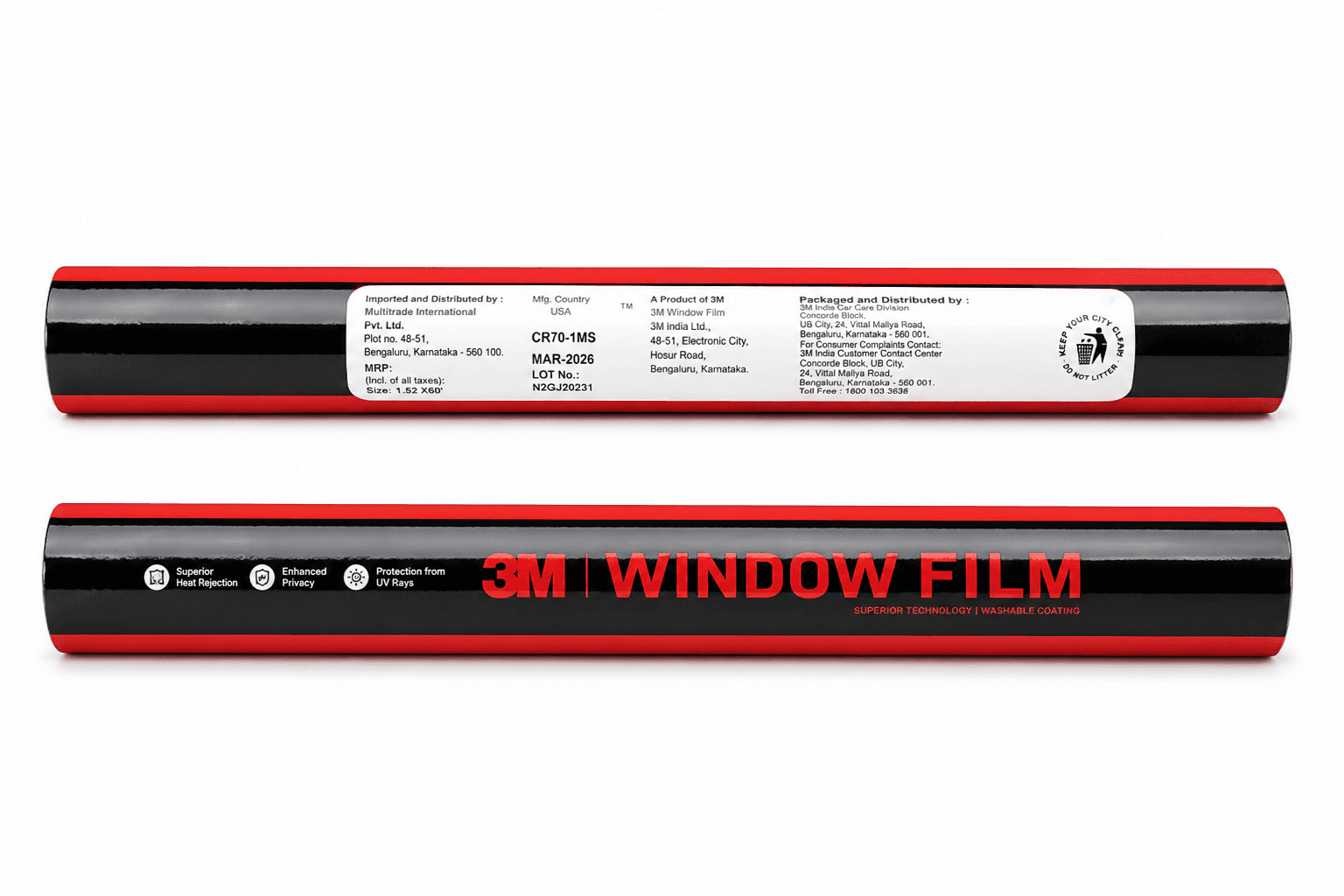
3M
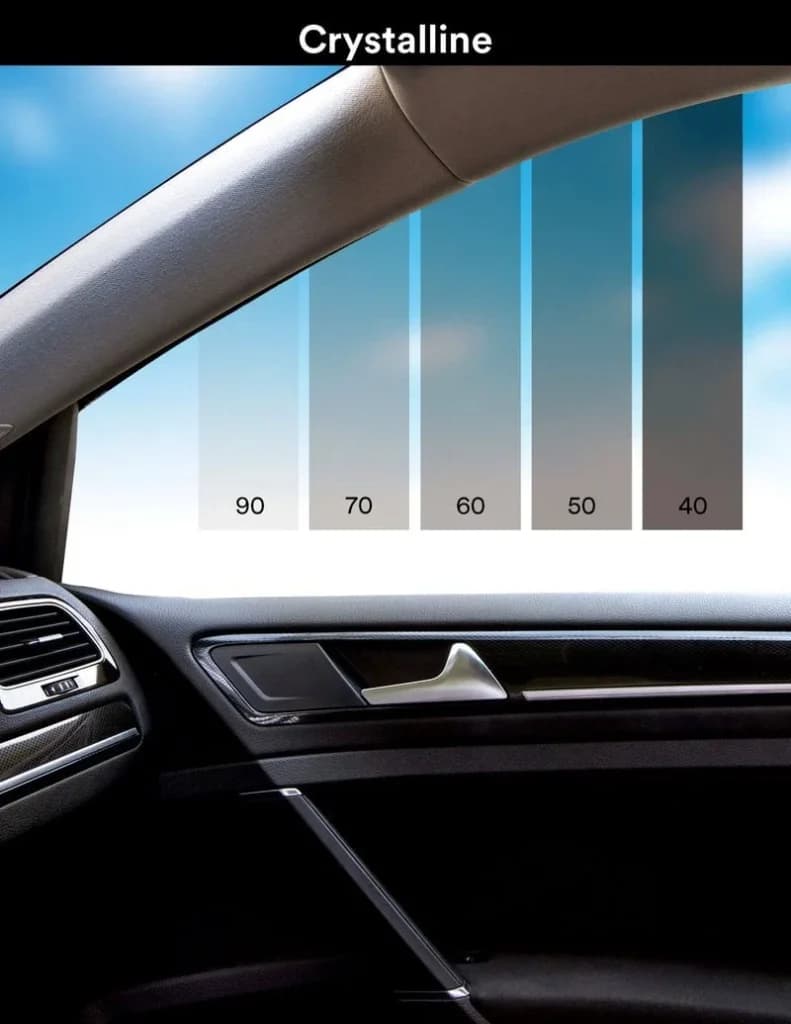
Crystalline CR70 – Sides & Back – Hatchback
Potential savings
₹7,500–₹39,000
vs detailing centre pricing
+ ₹1,000–2,500 installation *est.
3M
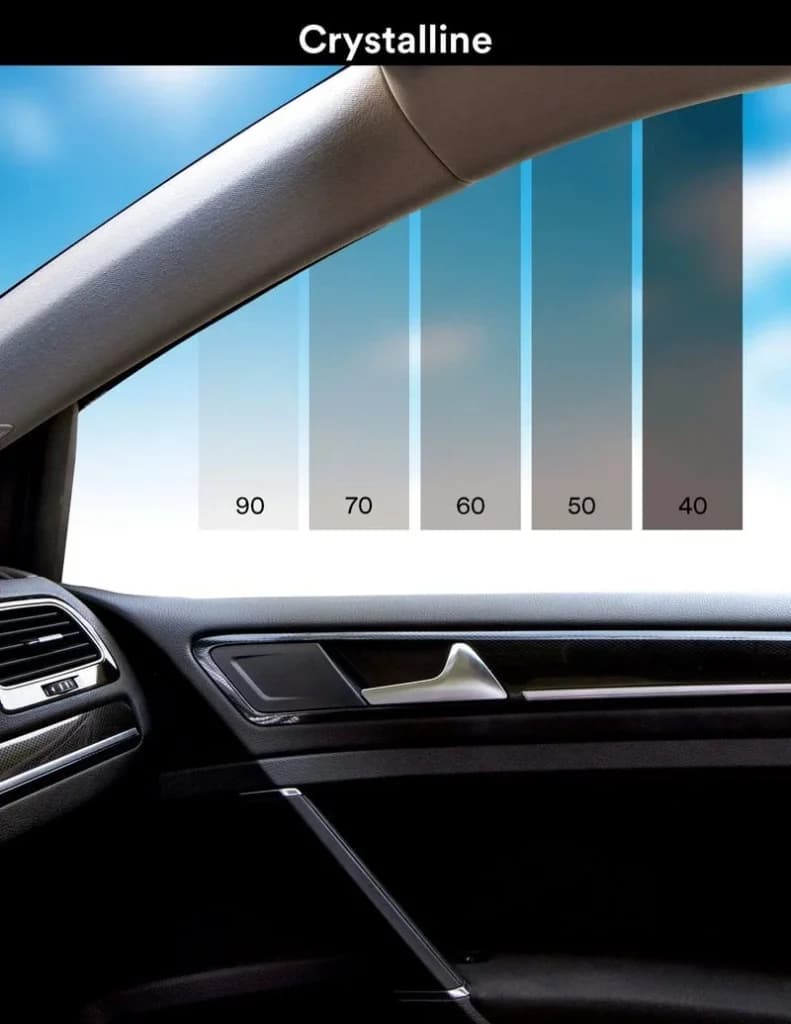
Crystalline CR70 – Sides & Back – SUV
Potential savings
₹10,500–₹51,000
vs detailing centre pricing
+ ₹1,000–2,500 installation *est.
3M
Crystalline CR70 – Sides & Back – Sedan
Potential savings
₹8,500–₹43,000
vs detailing centre pricing
+ ₹1,000–2,500 installation *est.
COSMO
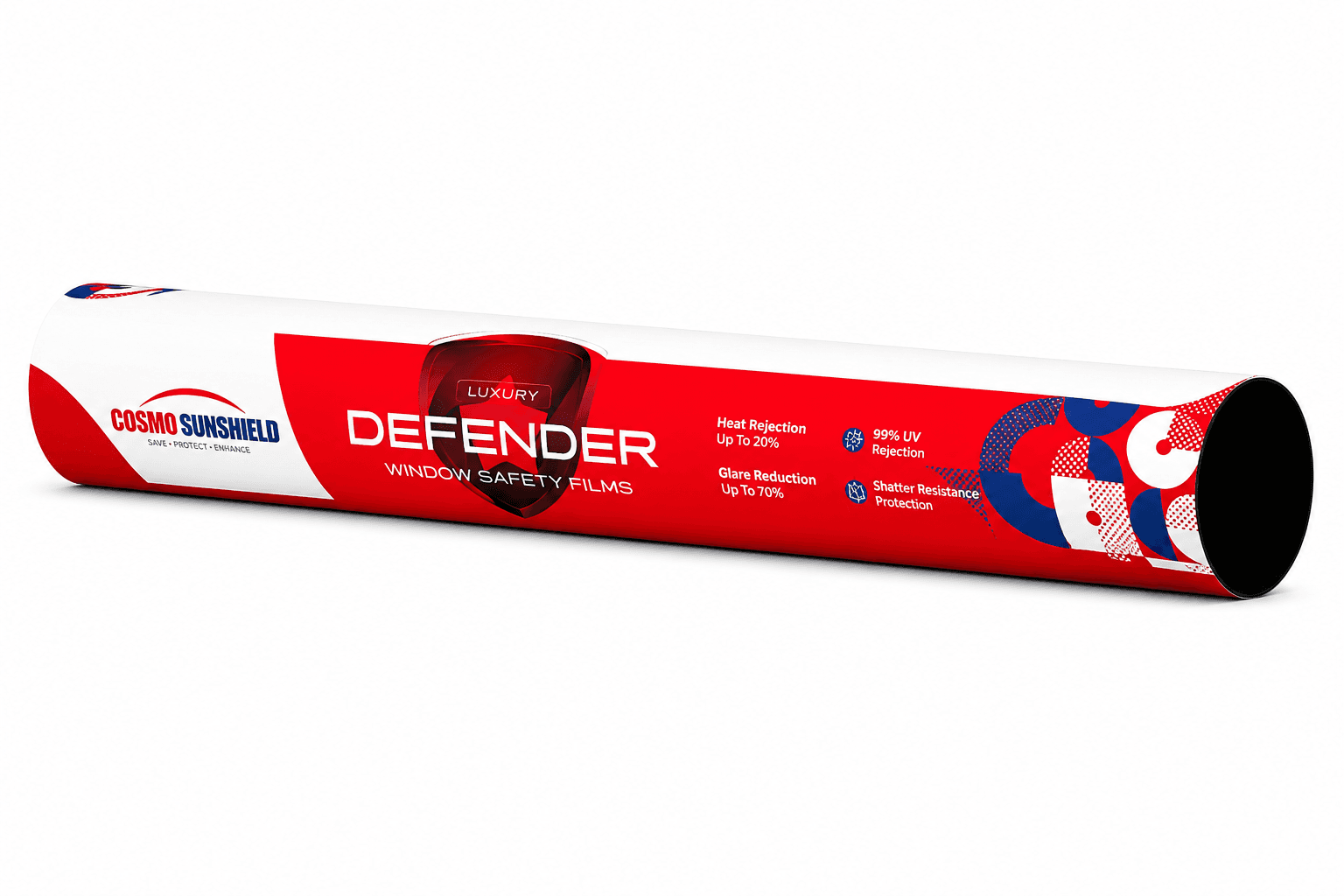
Defender Front
Potential savings
₹950–₹8,300
vs detailing centre pricing
+ ₹500–700 installation *est.
Garware
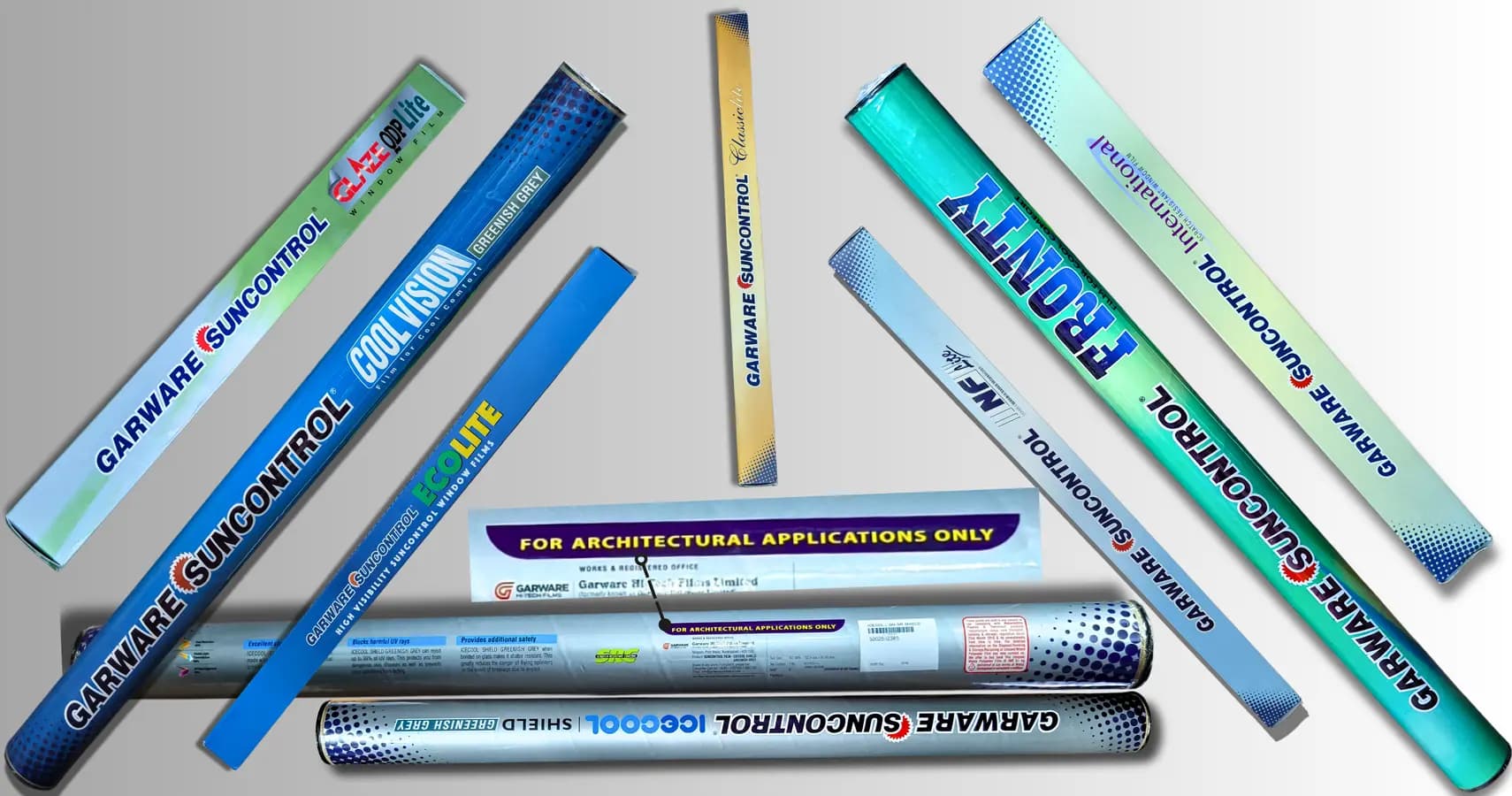
Fronty Plus
Potential savings
Up to ₹2,500
vs detailing centre pricing
+ ₹500–1,000 installation *est.
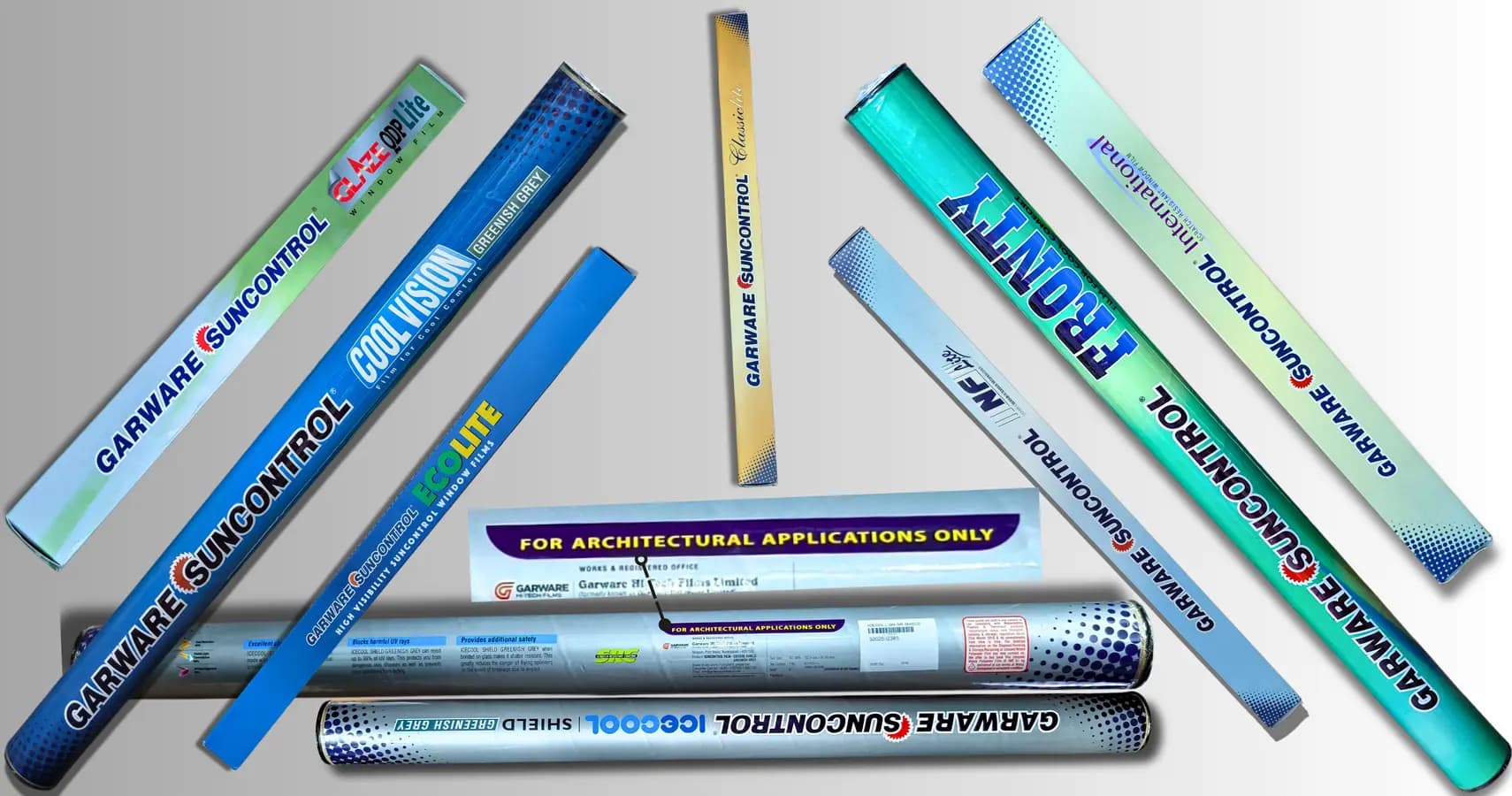
Garware
Ice Cool Elite SG 70 Side & Back
Potential savings
₹625–₹8,000
vs detailing centre pricing
+ ₹500–1,500 installation *est.
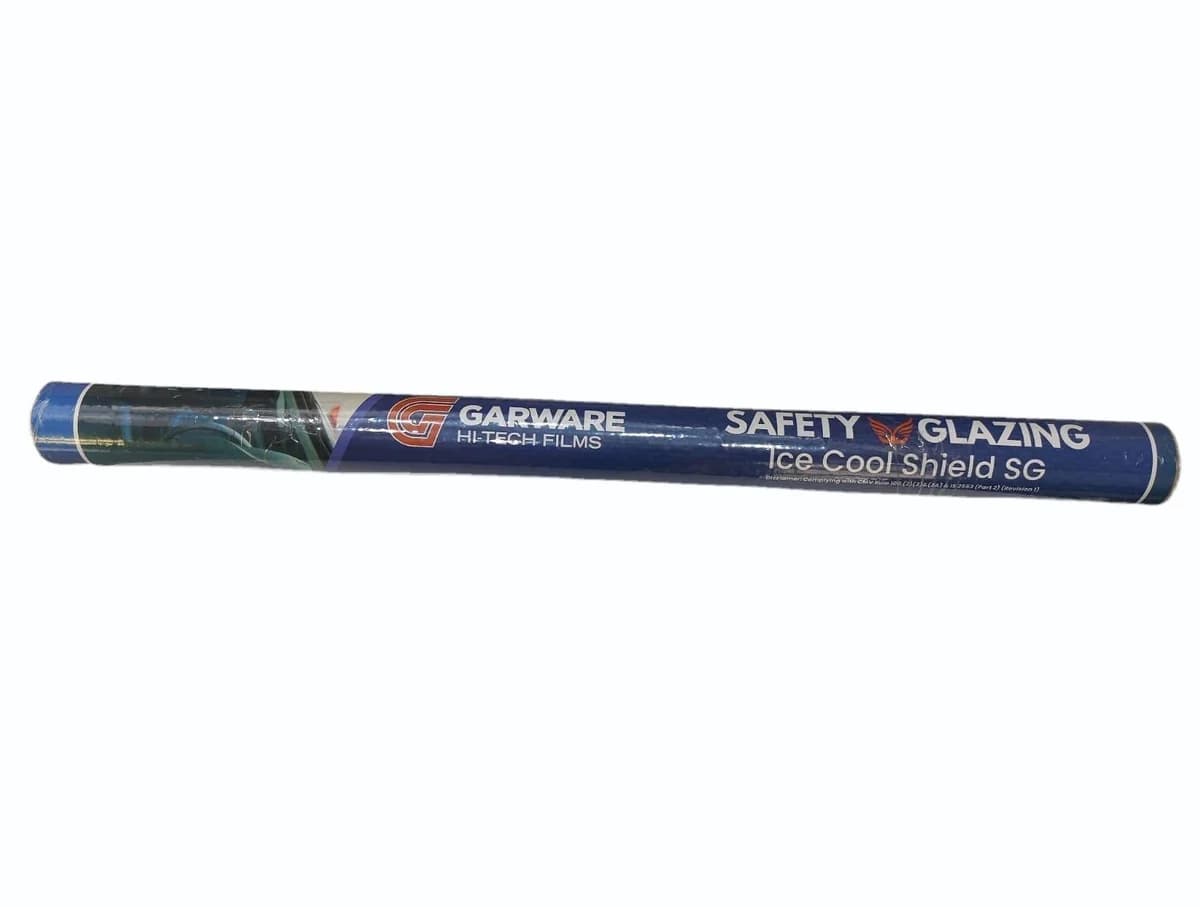
Garware
Ice Cool Elite SG 82 Side and Back
Potential savings
Up to ₹7,200
vs detailing centre pricing
+ ₹1,300–2,700 installation *est.
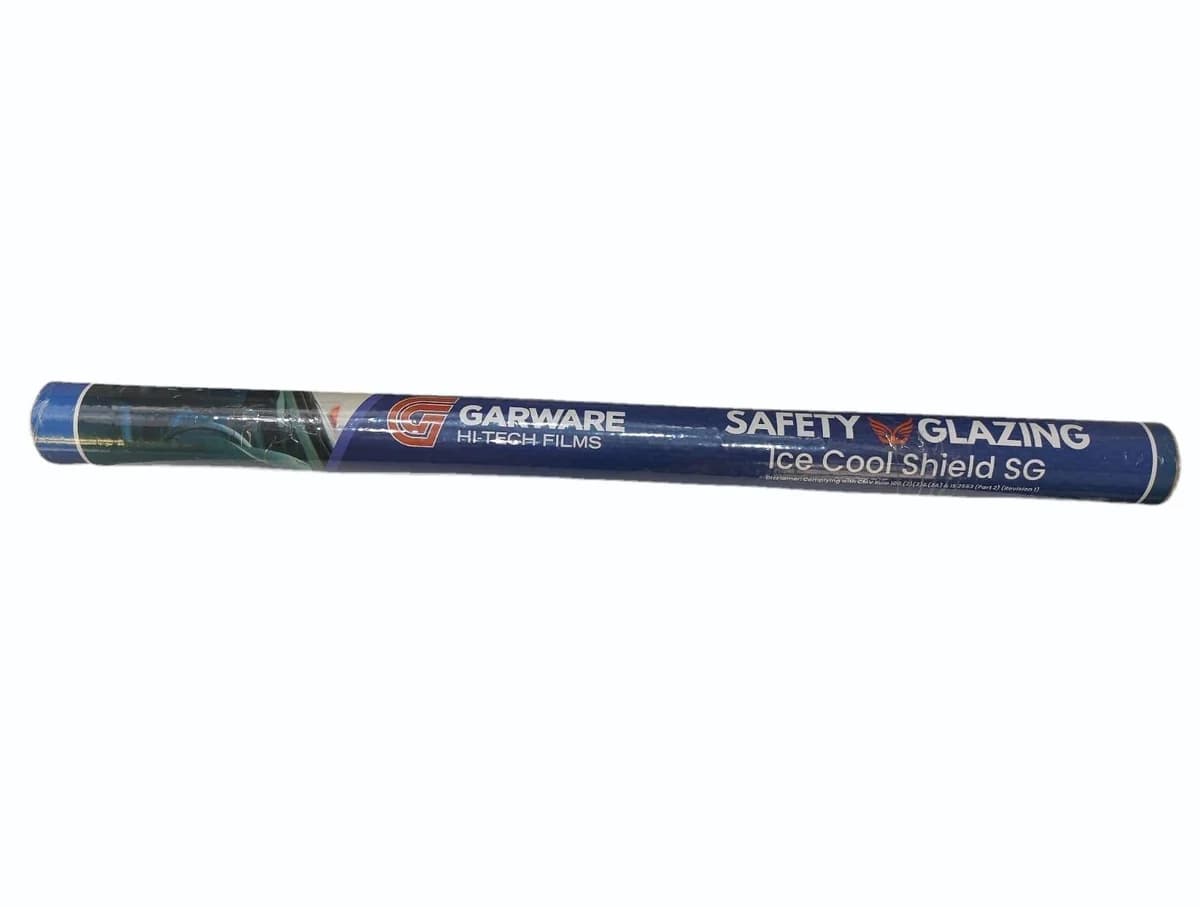
Garware
Ice Cool Shield SG 82 FWS
Potential savings
₹1,150–₹6,900
vs detailing centre pricing
+ ₹500–700 installation *est.
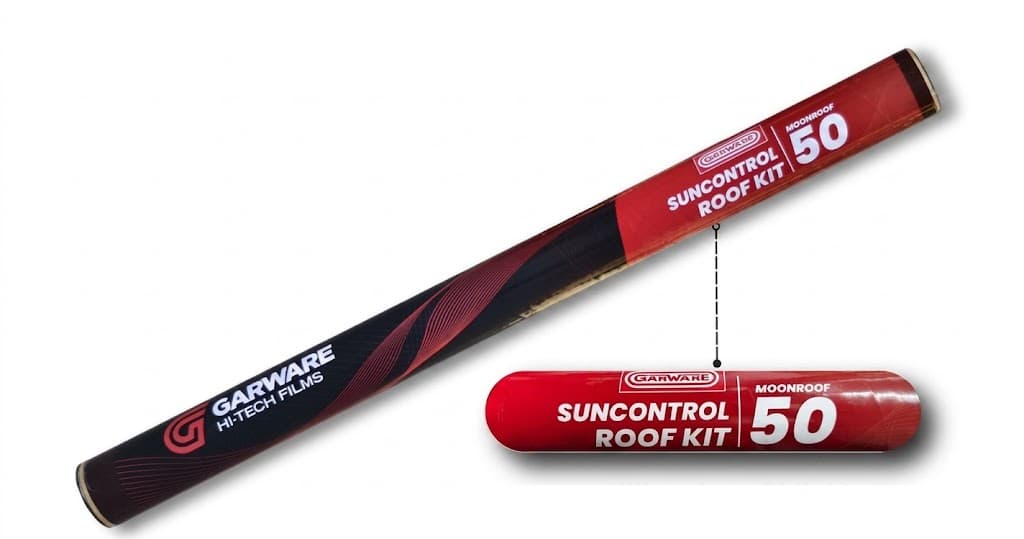
Garware
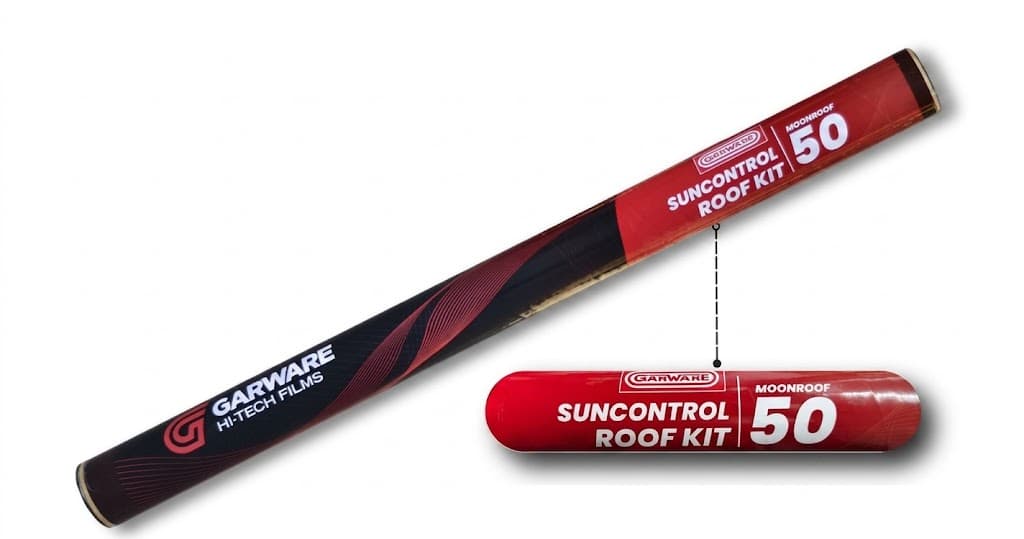
Moon Roof Kit
Potential savings
₹2,100–₹13,400
vs detailing centre pricing
+ ₹1,000–1,500 installation *est.
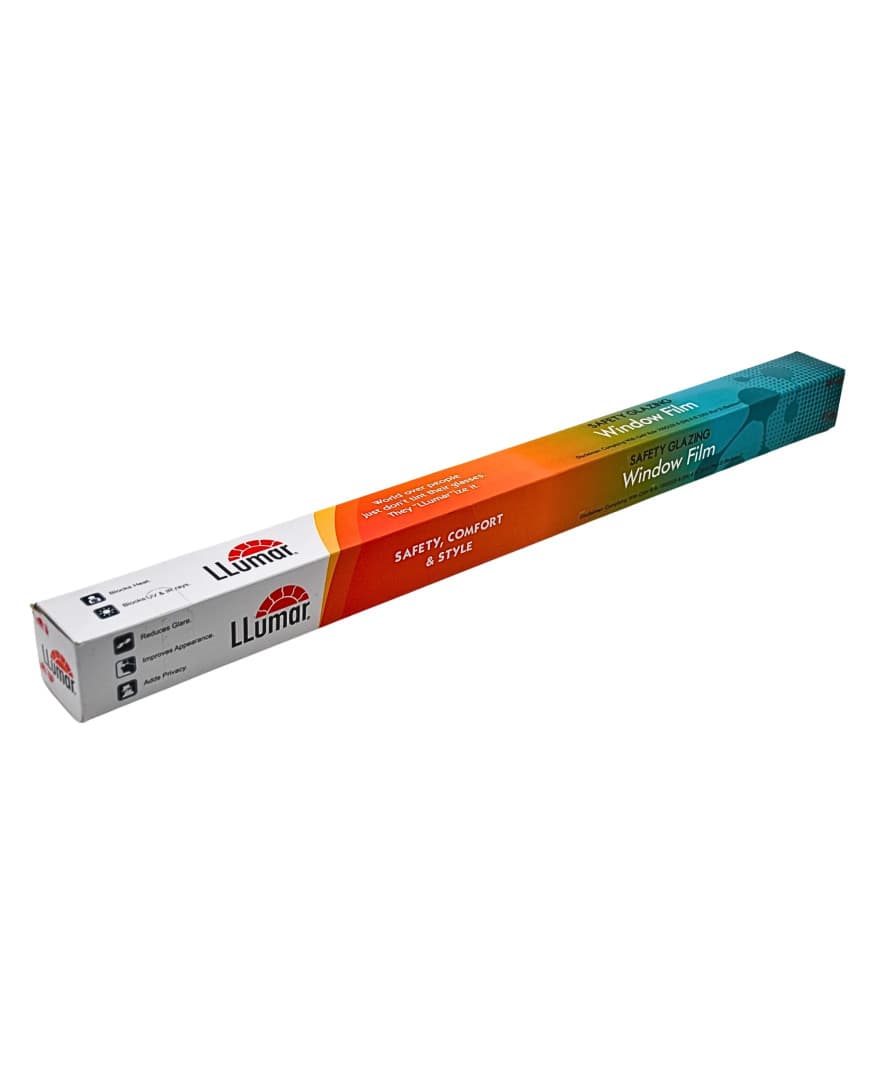
Llumar
STRATOS 50 – Front Windshield
Potential savings
₹4,303–₹22,712
vs detailing centre pricing
+ ₹500–1,500 installation *est.
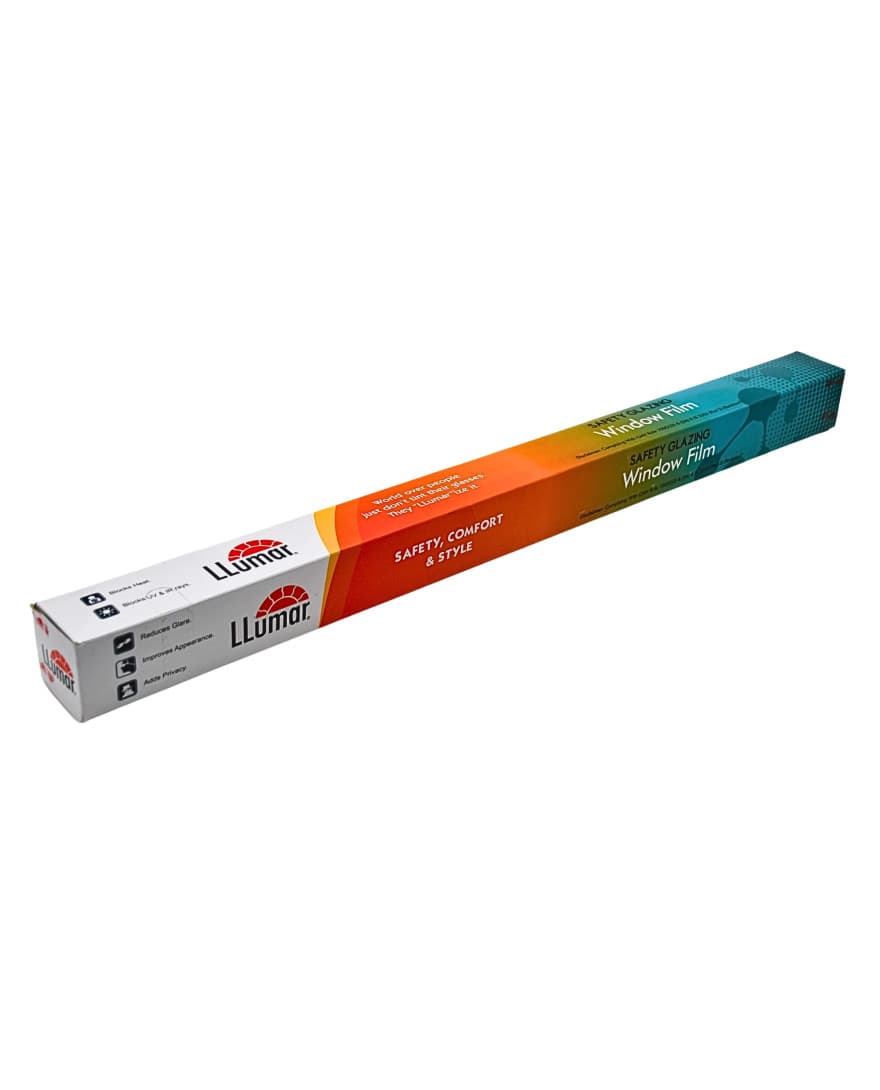
Llumar
STRATOS 50 – Sides+Rear (25 Sqft - Hatchback)
Potential savings
₹7,117–₹37,468
vs detailing centre pricing
+ ₹1,000–2,500 installation *est.
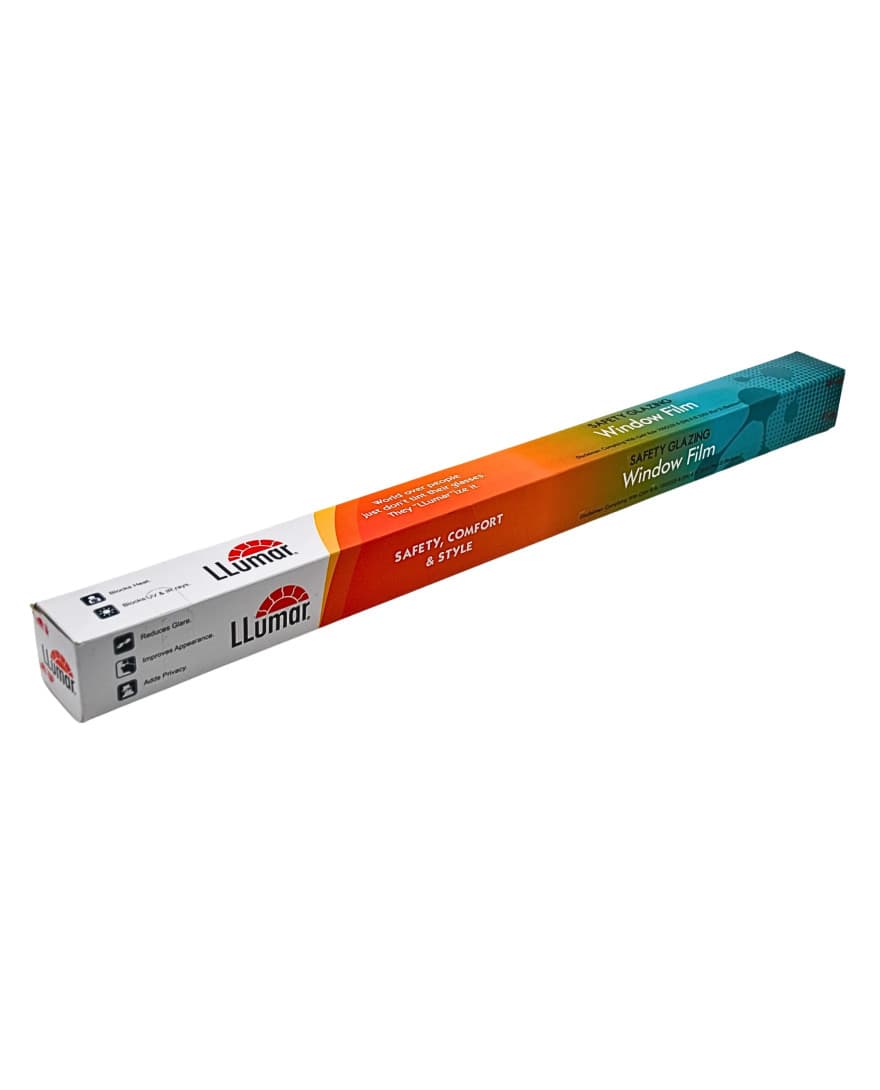
Llumar
STRATOS 50 – Sides+Rear (30 Sqft - Sedan)
Potential savings
₹9,524–₹45,094
vs detailing centre pricing
+ ₹1,000–2,000 installation *est.
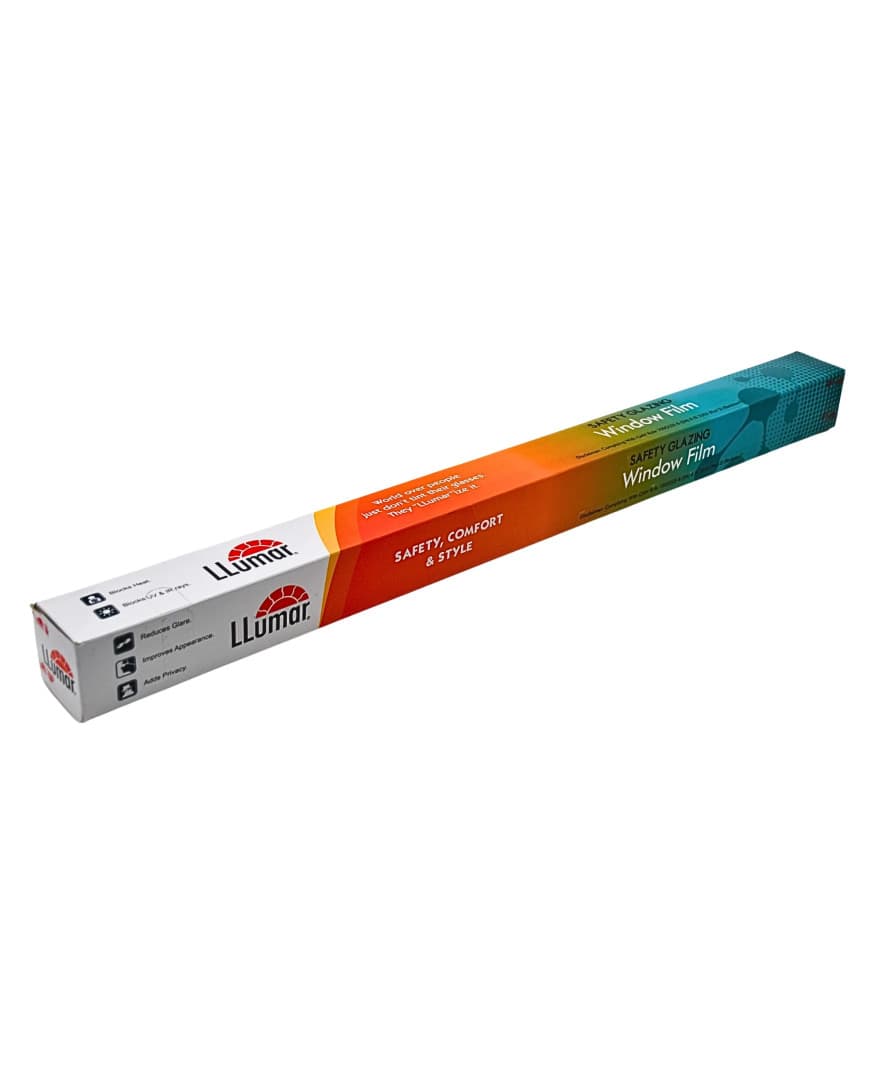
Llumar
STRATOS 50 – Sides+Rear (33 Sqft - SUV)
Potential savings
₹10,293–₹50,172
vs detailing centre pricing
+ ₹1,000–2,500 installation *est.
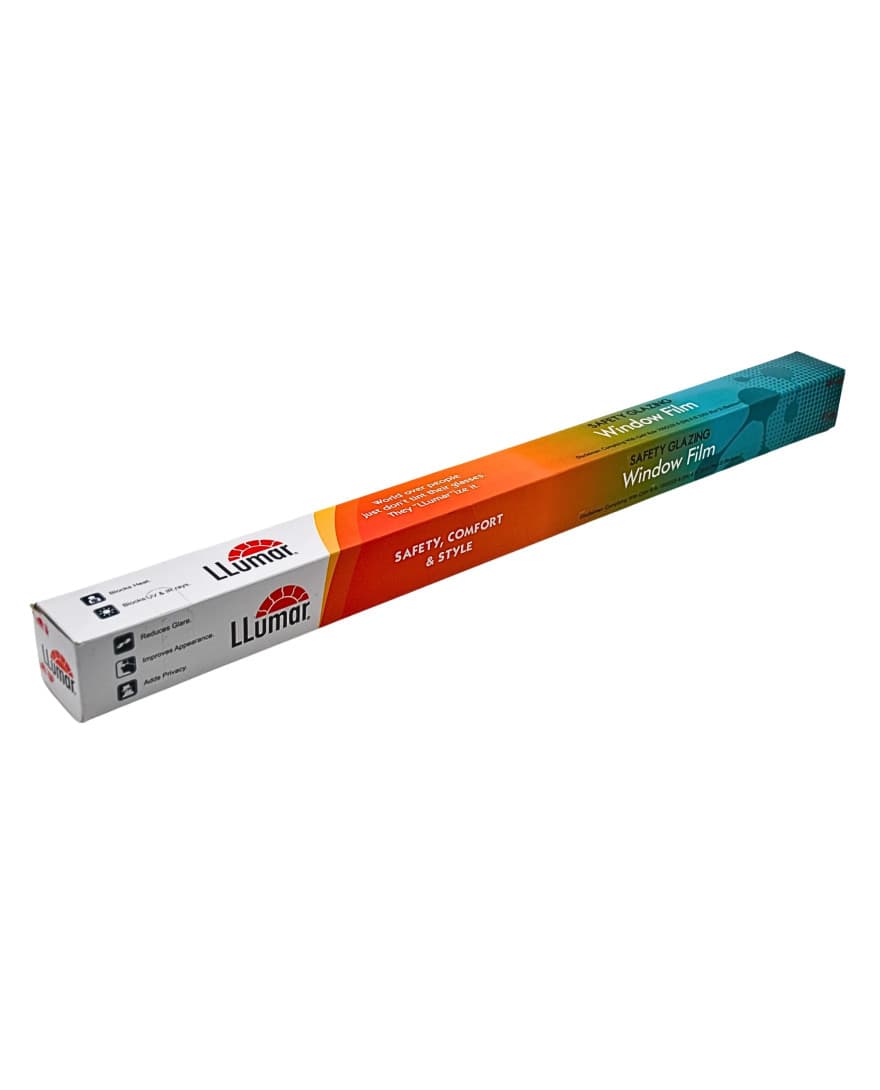
Llumar
STRATOS 70 – Front Windshield
Potential savings
₹4,303–₹22,712
vs detailing centre pricing
+ ₹500–1,500 installation *est.
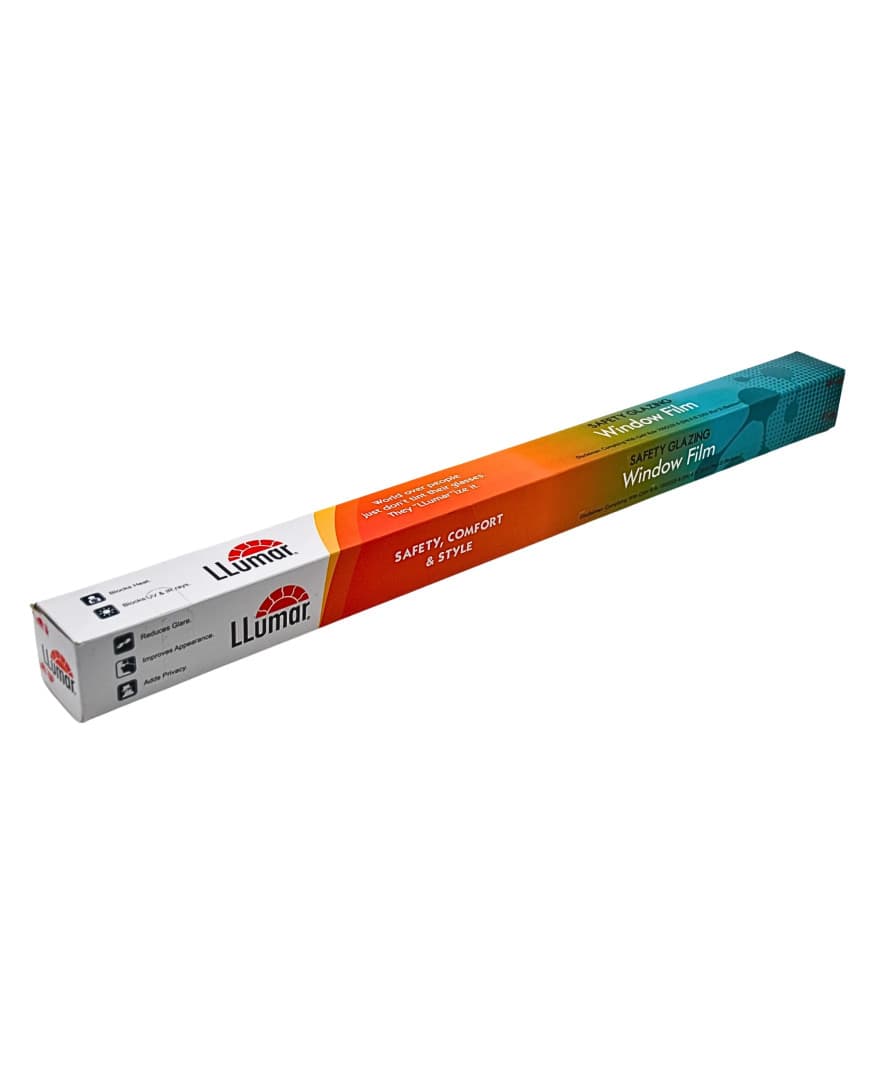
Llumar
STRATOS 70 – Sides+Rear (25 Sqft - Hatchback)
Potential savings
₹7,117–₹37,468
vs detailing centre pricing
+ ₹1,000–2,500 installation *est.
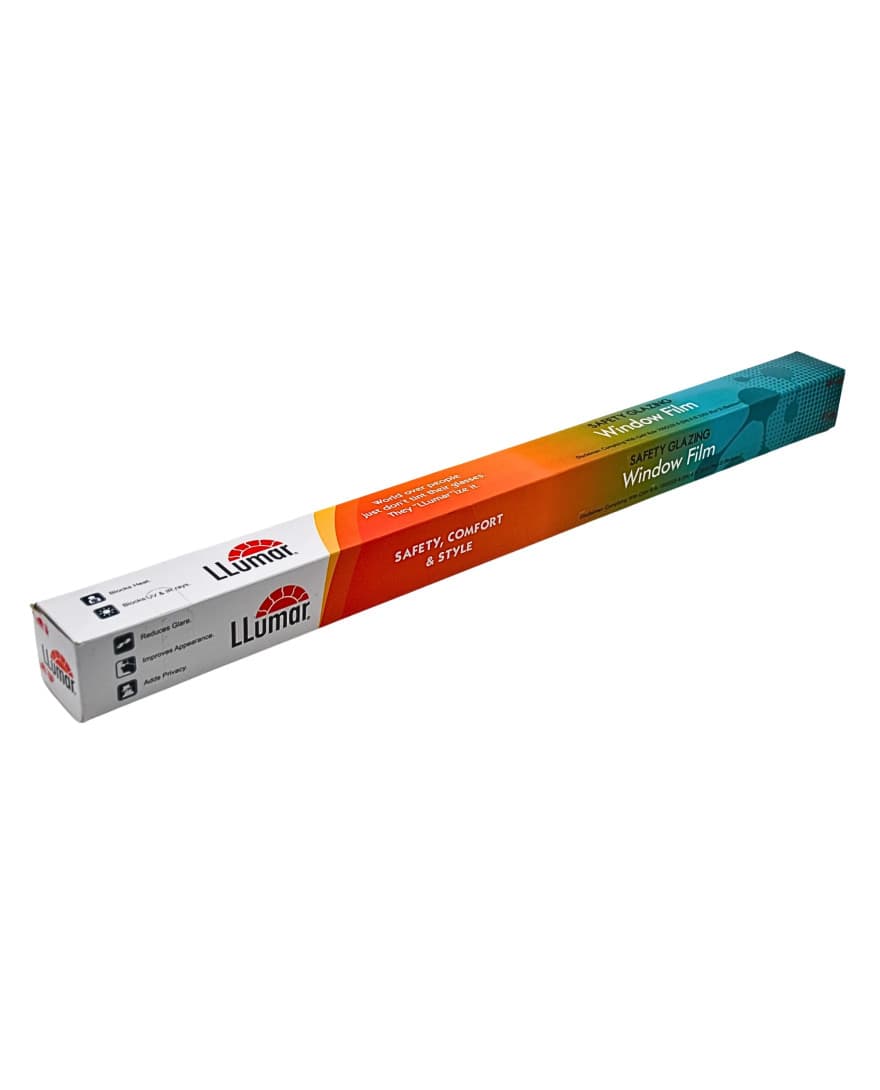
Llumar
STRATOS 70 – Sides+Rear (30 Sqft - Sedan)
Potential savings
₹9,024–₹45,094
vs detailing centre pricing
+ ₹1,000–2,500 installation *est.
Frequently Asked Questions — Sun Films
Answers grounded in PMD's actual product data and specs — not generic advice.
What is car sun film and how does it work?
Car sun film is a thin polyester layer fitted to the inside of your car's glass that reduces heat, glare and UV entering the cabin while controlling how much visible light passes through (VLT%). Depending on its technology — dyed, metalised, carbon, ceramic, or Multi-Layer Optical Film (MOF, the most advanced tier, used in 3M's Crystalline series) — it either absorbs or reflects solar energy, with ceramic and MOF films rejecting the most heat without interfering with GPS or mobile signal. Every sun film on PMD lists its exact VLT%, TSER% (real heat rejection) and UV Rejection% on the product page, not just a shade name.
Read the full explainer →What's the difference between black, dark, and transparent sun film?
"Black" or "dark" film means a low VLT% — less visible light passes through — while "transparent" or "light" film has a high VLT% and looks nearly clear. Darkness and heat rejection are not the same thing: heat performance is measured by TSER%, so a lighter film at the CMVR VLT floor can reject more total heat than a darker film built on weaker technology. On PMD, 3M Crystalline CR70 and LLumar STRATOS 70 are both ~70% VLT films that still post strong TSER (50% and 52%) — proof that a film at the compliant VLT floor doesn't mean weak heat rejection.
Read the full explainer →What VLT% does Indian law require for car windows, and does PMD sell RTO/government-approved sun film?
Under Rule 100(2) of the Central Motor Vehicle Rules (CMVR), 1989, windscreens — front and rear — need a minimum 70% VLT, and side windows — front and rear — need a minimum 50% VLT. This is a national rule, though states like Delhi and Maharashtra periodically run their own enforcement drives. PMD lists the exact VLT% on every product page — 3M Crystalline CR70 (70%) and LLumar STRATOS 70 (69%) both sit at or above the windscreen VLT floor. Meeting that VLT floor is a separate question from whether applying aftermarket film to your vehicle's glass is itself a permitted modification — PMD doesn't label a film "RTO-approved" or "legal" based on VLT alone; see our India sun-film law note for the full picture.
Read the full explainer →Where can I get genuine sun film installed near me, and how does PMD's process work?
PMD ships your exact sun film to you, sealed, before it goes anywhere near an installer — you then get it applied through your own local installer or PMD's installer network, paying for labour separately. Because you already hold the exact product, there's no way for an installer to quietly swap in a cheaper film once it's out of your sight — which is the substitution risk that makes "sun film near me" searches so often end in disappointment elsewhere.
Read the full explainer →Is Garware a genuine, trusted sun film brand — what does PMD offer from Garware?
Yes — Garware is one of India's established automotive window film manufacturers, and PMD sources it so the product you receive is authentic, not a lookalike. PMD currently stocks multiple live Garware lines, including Arctic Cool, Ice Cool Elite, Ice Cool Shield and Classic Ash Lite, each listed with its real VLT% and TSER% rather than just a shade name.
How much does Garware sun film cost?
Garware pricing on PMD varies by line and coverage — for example, Ice Cool Elite SG 70 (sides+rear) is ₹5,000 (MRP ₹12,080), and Arctic Cool SG 80/70 (front-windshield and sides options) run ₹5,200–8,000 depending on format. That's the film cost only — application/installation is quoted and paid separately, so you always know exactly what you're paying for the product itself.
What is Garware Ice Cool Shield, and how is it different from other Garware films?
Garware Ice Cool Shield is a Garware front-windshield sun film line — the SG 82 variant on PMD is priced at ₹3,300 (MRP ₹5,000) with 82% VLT, 35% TSER and 99% UV rejection. It's a lighter, more visibility-friendly option for the front windscreen rather than the darkest or highest-heat-rejection choice in the Garware range — for stronger heat rejection at a similar VLT, Arctic Cool SG 70/80 (42-47% TSER) is the better comparison.
What is nano-ceramic sun film technology, and why does it cost more?
Nano-ceramic sun film is a metal-free film embedded with ceramic nanoparticles — it delivers strong overall solar-energy rejection, stays optically clear, resists fading, and causes zero GPS/FASTag/mobile-signal interference (unlike metalised or hybrid films, which contain a thin metal layer). It costs more than dyed or metalised film for that combination of performance and signal safety — LLumar's STRATOS line and 3M's Ceramic IM70 on PMD are nano-ceramic options. One tier above ceramic sits Multi-Layer Optical Film (MOF) — 3M's Crystalline series uses this, not ceramic, built from 200+ ultra-thin polymer layers rather than ceramic particles, and it's the most advanced heat-rejection technology PMD currently stocks.
Read the full explainer →Is 3M sun control film genuine on PMD, and what does it cost?
Yes — 3M sun control film on PMD is sourced as genuine product, with pricing shown separately from installation so there's no bundled guesswork. Prices vary widely by line and coverage — from around ₹3,000 for an SP70 hatchback side-set up to ₹26,000 for a Crystalline CR70 full SUV sides+rear kit — with each SKU's real VLT/TSER/UV numbers listed on its product page.
What actually determines sun film pricing?
Sun film pricing depends on three things: the technology tier (dyed/metalised is cheapest, nano-ceramic is the premium tier), the coverage format (front windshield vs. sides+rear vs. full car, scaled by vehicle size), and the brand/line itself — not the VLT/darkness you choose, which is a visual preference (within the CMVR VLT floor for your window position) rather than a price driver. On PMD, product cost and application cost are always shown as two separate numbers so you can see exactly what's driving your total.
How much does 3M CR70 cost, and what are its specs?
3M Crystalline CR70 front windshield on PMD is ₹9,500 (MRP ₹20,140), with 70% VLT, 50% TSER, 97% IR rejection, 99% UV rejection and 22% glare reduction. It's built on 3M's Multi-Layer Optical Film technology (200+ ultra-thin layers, not ceramic) — which is how it reaches a higher TSER at 70% VLT than 3M's own Ceramic IM70 (40% TSER at the same VLT). Sides+rear kits scale by vehicle size — ₹20,000 (hatchback) to ₹22,000 (sedan) to ₹26,000 (SUV) — with application cost quoted separately by your installer.
Does sun film actually block UV rays, and how much?
Yes — virtually all sun films block the large majority of UV radiation; every 3M, Garware and LLumar sun film on PMD with a listed spec sheet shows 99% UV rejection. UV blocking is largely independent of VLT/darkness and film technology tier — even a light 70%+ VLT film (at the CMVR floor for windscreens) typically blocks UV as effectively as a much darker one.
"Sun cool"/"suncool" — is that a real spec or just marketing? What actually matters?
Sun cool" or "suncool" is a marketing name, not a technical spec — it doesn't tell you how much heat a film actually rejects. The number that matters is TSER (Total Solar Energy Rejection); brands often lead with a higher-looking IRR (infrared-only) figure instead, which overstates real cabin cooling. Always compare films on TSER%, which PMD lists on every sun film product page.
Read the full explainer →Which sun film is best for the front windshield specifically?
The right front-windshield film balances the CMVR VLT floor (70%+ required) with the highest TSER available at that VLT. On PMD, 3M Crystalline CR70 (70% VLT, 50% TSER, 97% IRR) uses Multi-Layer Optical Film — 200+ ultra-thin layers, a technology tier above ceramic — while LLumar STRATOS 70 (69% VLT, 52% TSER, 96% IRR) is a strong nano-ceramic option at a similar VLT. Garware Ice Cool Shield SG 82 (82% VLT, 35% TSER) trades some heat rejection for extra visibility and lightness.
Is LLumar a genuine sun film brand on PMD — how does it compare to 3M and Garware?
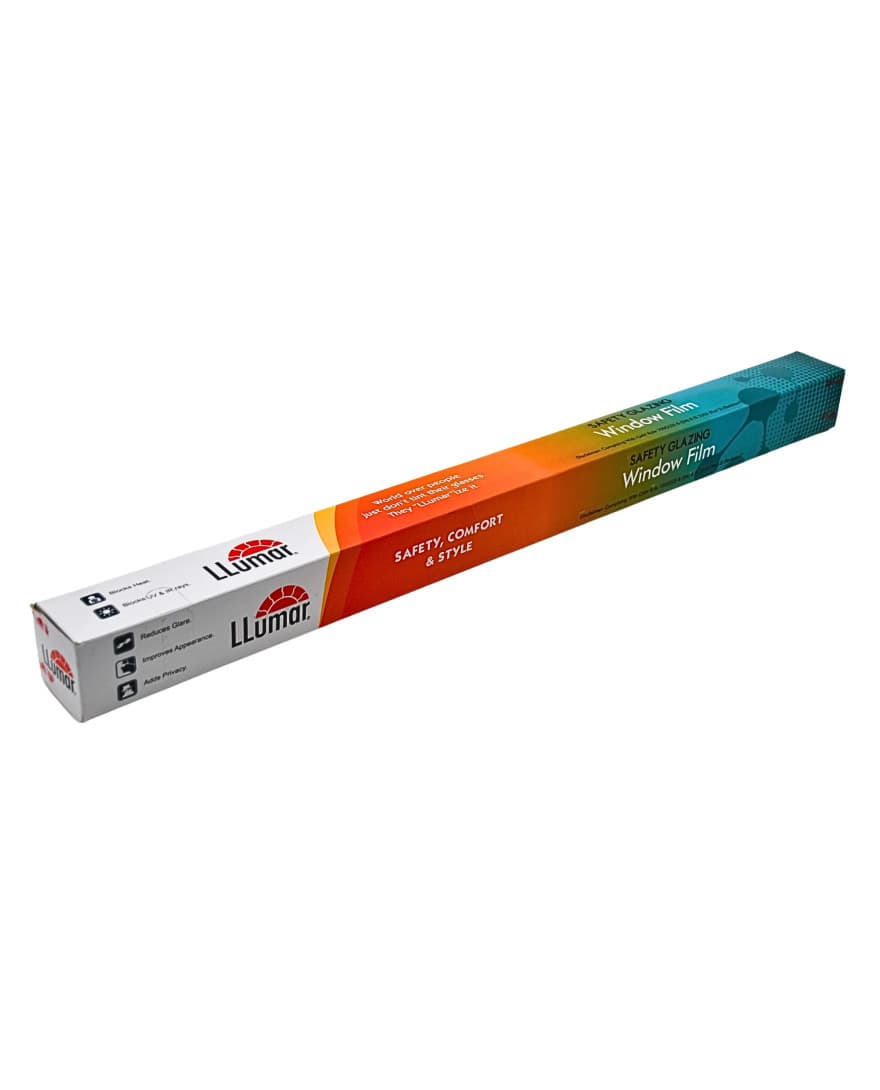
Yes — LLumar is a globally established window film brand (Eastman-owned), and PMD stocks it as genuine product, with lines like STRATOS 70/50 and AIR 80 BLUE 60 currently active. LLumar STRATOS is a premium nano-ceramic film — STRATOS 70 posts 69% VLT/52% TSER/96% IRR, close to 3M Crystalline CR70's 70% VLT/50% TSER/97% IRR, though Crystalline uses the more advanced Multi-Layer Optical Film technology rather than ceramic. Price and format availability for your specific vehicle usually matter more than the brand name alone.
Can I get a GST invoice for a business purchase?
Yes — at checkout there's an optional GST Invoice section where you can enter your firm name and 15-character GSTIN. If provided, PMD issues a GST-compliant invoice under your business name instead of a personal one, useful for company or fleet purchases. It's entirely optional — skip it and you still get a standard invoice.