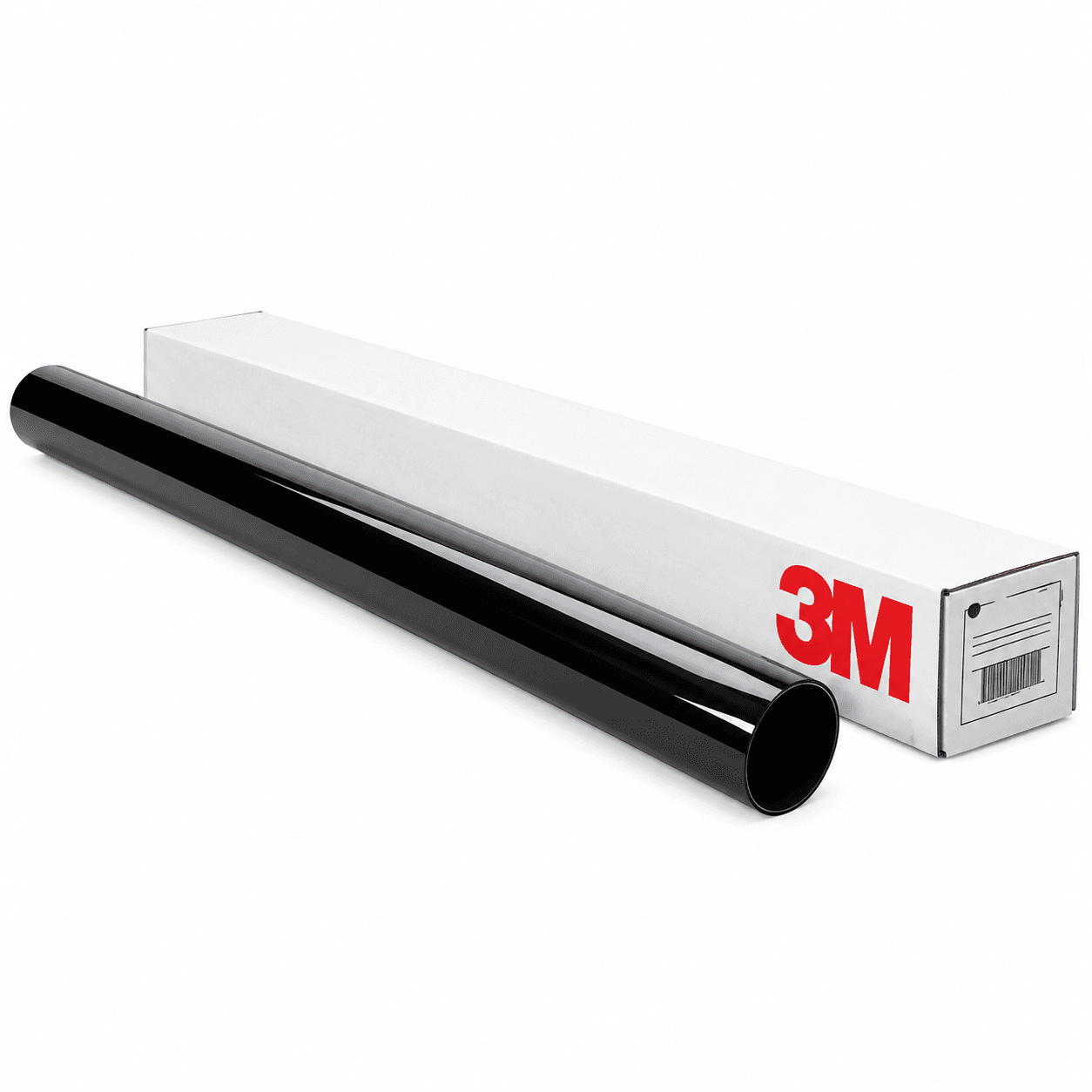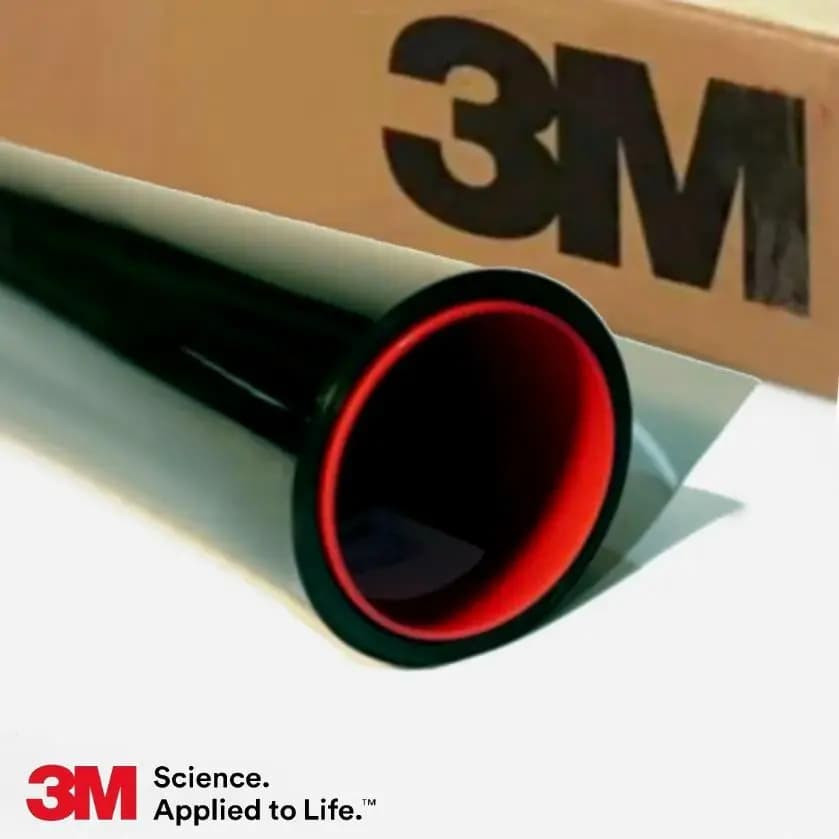
3M
Ceramic IM70
3M
Manufacturer warranty terms are set by 3M and may require installation by their authorised network. PlushMyDrive sells the genuine product; installation is arranged separately — check the brand's official warranty terms before purchase.
The 3M Ceramic IM70 is a nano-ceramic sun film and the lightest tier of the Ceramic IM range, cut for the side and rear windows of hatchbacks. Nano-ceramic film is metal-free, so it does not interfere with GPS, FASTag or mobile signal. On 3M's clear-glass test the film transmits 75% of visible light (VLT) and rejects 40% of total solar energy (TSER), 60% of infrared in the 900–1,000 nm band (IRR), 99% of UV and 16% of glare.
Performance Specs
40%
TSER
heat blocked
75%
VLT
light through
99%
UV Rejection
16%
Glare Reduction
Product Cost
You pay PMD · Includes GST
₹15,137 MRP
₹7,500
Save 50% ✓
Exclusive Application Cost
Paid directly to applicator · Varies by city & car size
₹1,600–3,400
*est.
Your Estimated Total
₹9,100–₹10,900
vs. Detailing Centre (opaque pricing)
₹11,250–₹22,500
Potential savings
₹350–₹13,400 ✓
Have a question? Reach out to us on WhatsApp and we'll help you out.
Chat with Us on WhatsApp* Installation cost is indicative.
Genuine Product
Direct from brand
Authorised Source
No grey market
You Hold Custody
Ships to you first
PMD Index™7.2/10
✓ Transparency+PMD Index is our independent read of this film's own published data — not a brand claim. Green rows cite a real test method; amber rows are a real number the brand states but hasn't proven; red rows mean the brand hasn't disclosed this at all in the catalogs, TDS sheets, and warranty documents we have on file — not that we've confirmed it's absent. Think we missed something? Ask us on WhatsApp and we'll take another look.
What actually matters
PMD's Take
The Ceramic IM70 from 3M offers a solid choice for those looking to manage cabin heat without compromising on light visibility, thanks to its nano-ceramic construction. It blocks 40% of the sun's total heat energy, which is decent for a light film, though not the top performer in its class. This film also provides reliable UV protection, blocking 99% of harmful rays, and ensures your devices stay connected with confirmed signal safety. While it does cut glare by 16%, you might notice some dashboard reflection, especially at night. Every cited spec above links straight to 3M's own document — worth a look before you decide.
Technical Specifications
Best For
Heat Rejection
UV Protection
Glare Reduction
Safety & Security
Why This Product?
A light, clear-view film for hatchback side and rear glass: 40% total solar energy rejection and 60% infrared rejection in a metal-free film that leaves GPS, FASTag and phone signal alone, plus 99% UV rejection to help protect the cabin from fading.
Good to Know
Most cabin heat arrives as infrared and visible light. Ceramic IM films use nano-ceramic particles, not metal, to reject infrared: 60% IRR (measured on the film alone) at 75% VLT. TSER, 40% here, is the broader figure: it counts the whole solar spectrum and is measured on glass, so real cars differ a little. A lighter film always rejects less total heat than a darker one, and the IM range trades heat rejection for clarity — IM70 sits at the clear end. Because the film is metal-free it does not interfere with GPS, FASTag or mobile signal.
Honest Notes from PMD
It is the lightest tier, so heat rejection is modest: 40% TSER, lower than the darker IM tiers, and it gives little privacy. Choose a darker IM tier if heat or privacy is the priority. Tint limits vary by state, so check current rules before choosing a level.
PMD Advisory
Have it fitted by a professional installer — 3M specifies wet application only. Clean with a neutral, abrasive-free glass cleaner and a soft cloth, and avoid sticking tapes, suction cups or stickers on the film.
The PMD Promise
Genuine film with actual VLT and TSER specs — not inflated claims from grey market products
Film cost shown separately from fitting charges — you always know what you're paying for the product itself
Film ships to you before fitting. Check the brand label and spec values yourself
India road-use note: PMD lists each film's measured VLT against the CMVR Rule 100(2) floor (70% for windscreens, 50% for side windows) so you can compare specs accurately. Meeting that VLT floor is a separate question from whether applying aftermarket film is itself a permitted modification — PMD does not label a film "road-legal" solely because of its VLT.
From the Learn Hub
- Understanding VLT — The Visibility Number That Matters
4 min read
- Sun Film Types Compared: Dyed vs Ceramic vs Nano
6 min read
- How to Verify a Genuine Sun Film Product
4 min read